online





It was four years since the attempted self-immolation by my body. Three years since my body was named The Idiot. Two years since The Idiot had any contact with sister, mother or father. A year and a half since The Idiot’s prayers had been answered. In the wrong way.
The people who became us lived under oaks. / In the canopy two rat snakes were in love, / spending their days in a warm caduceus.
Thank you for participating in the end of the world. Your input helps us improve future catastrophes. Please complete the following fields to the best of your remaining ability.
Don’t bury your images in the yard. / You’re supposed to starve the faeries, / mow down grave mushrooms, / take off your Scotch bonnet and / burn your scalp with moonlight.
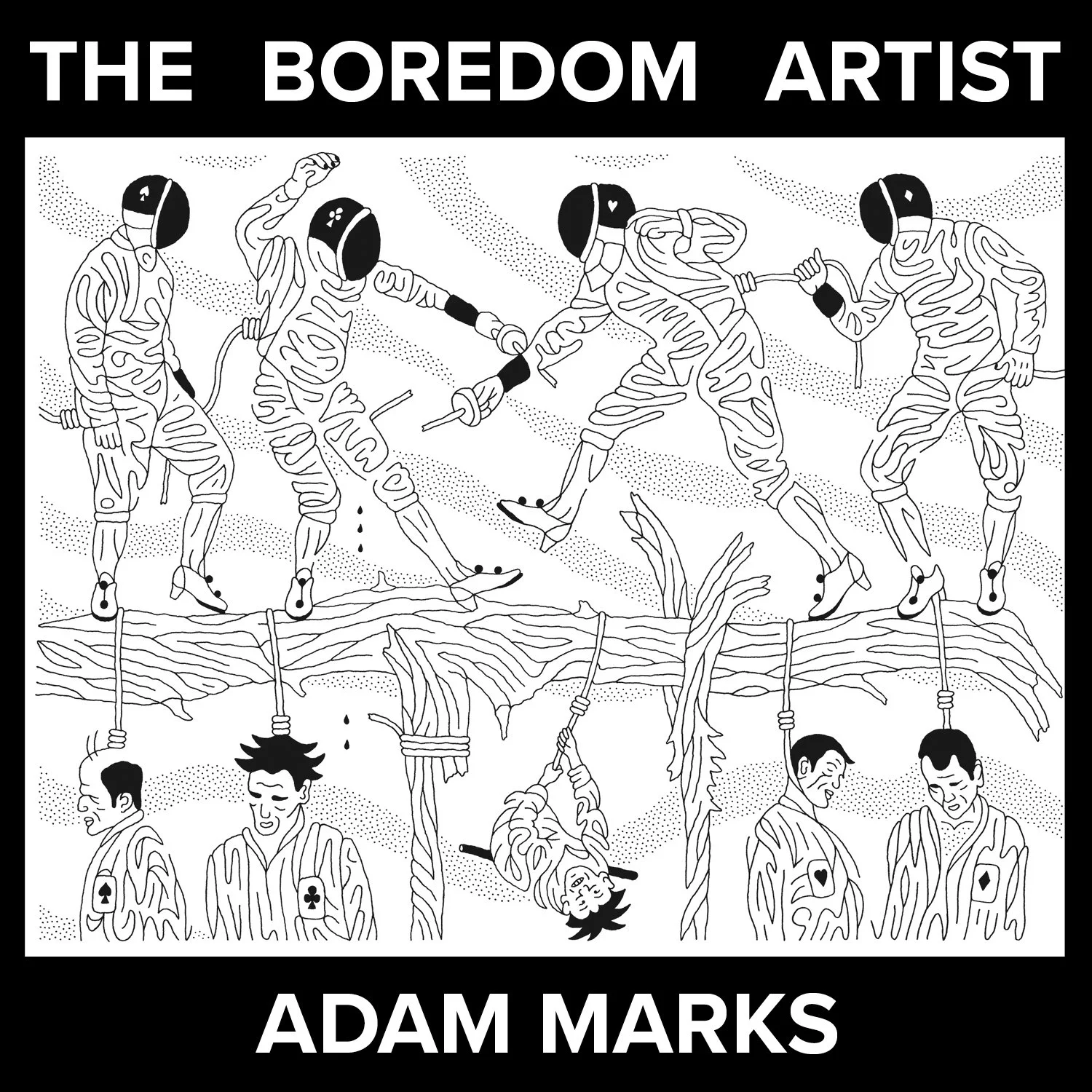
THE BOREDOM Artist was set to retire. He would give one more performance. London’s Festival Hall was sold out as a result. Last chance to see. One-thousand seven-hundred and ten people, people who liked and appreciated what he did, would go with Dave to a place he had never gone before, though midnight, past the hour-mark. A clock behind them counted down.
If you held to your guns you’d still have guns. / Mean like Lenin without the mean, wrap / yourself in Jacobin bylines like a letter jacket, / forget the golden rules.
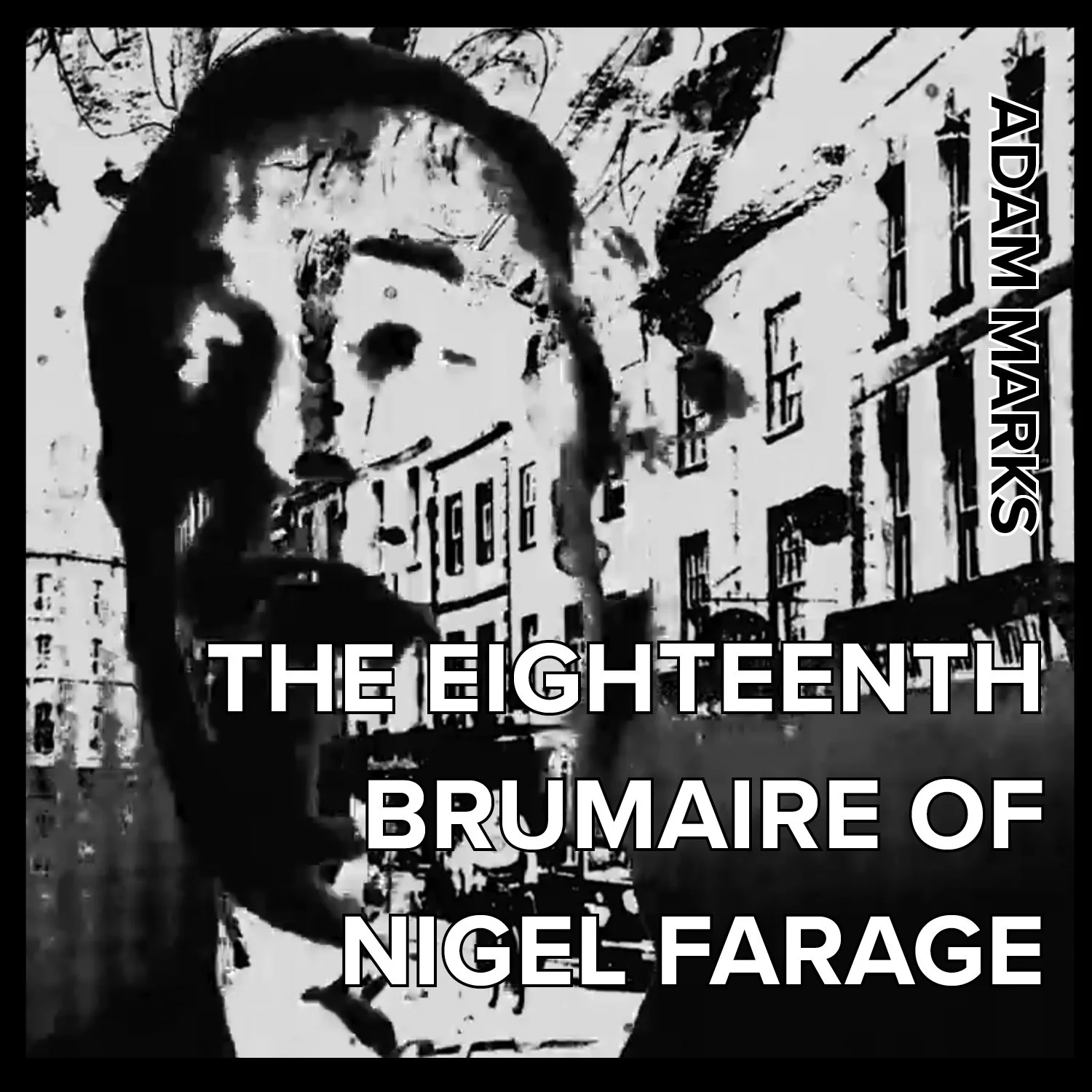
Mainstream right wing politicians have been experimenting with summoning their fascist golems. Suella Braverman who, in November 2023, was Home Secretary, after being frustrated at being unable to prohibit a peace march in London on the same weekend as Armistice Day, suggested that ceremonies at the Cenotaph on Whitehall were under threat from “hate marchers” displaying “thuggish intimidation and extremism.” The far right took this, fairly obvious, cue and descended on Whitehall, drunk and high. With no one to fight, they first fought the cops, then each other. Plus la change. Braverman largely blamed the police for this debacle. By December 2023, she was a back bench MP.
Don’t worry. / Don’t hesitate. / You are good. / You are righteous. / And righteous goodness / can never be cruel.
“Who are… Do I know you…?” Jake was puzzled. The voice came from a woman, tall, olive skin with dark, greying curly hair. She was standing just inside the street light, on the corner of the alleyway, leading from the High Street to Dyvenor Road. After a moment of figuring this out Jake realised she was holding him, gently but firmly by the shoulder. “What do you want…?”
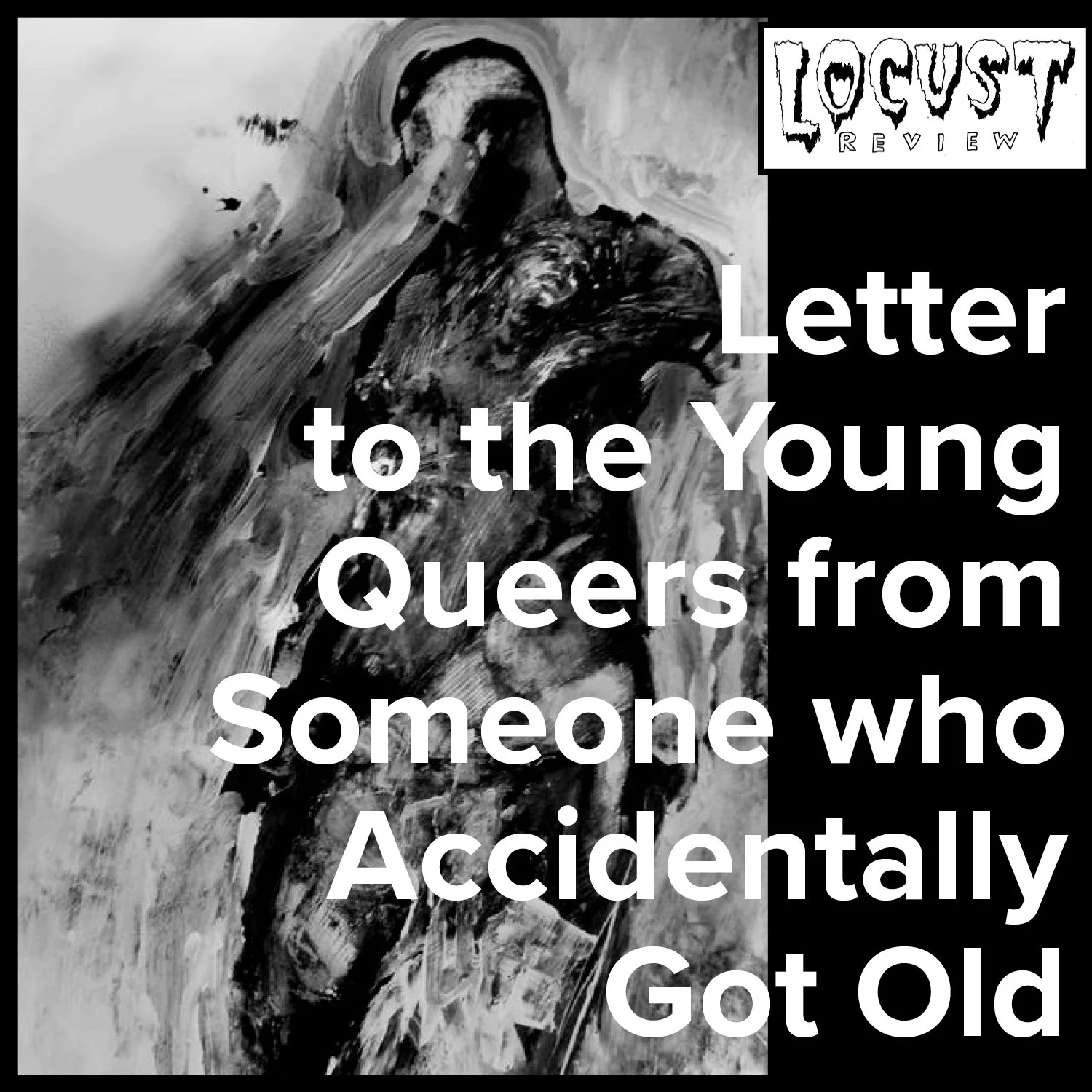
One day I woke up / and somebody called me “elder,” / and I almost checked my pulse. / Then I remembered— / queer years run on dog-time.
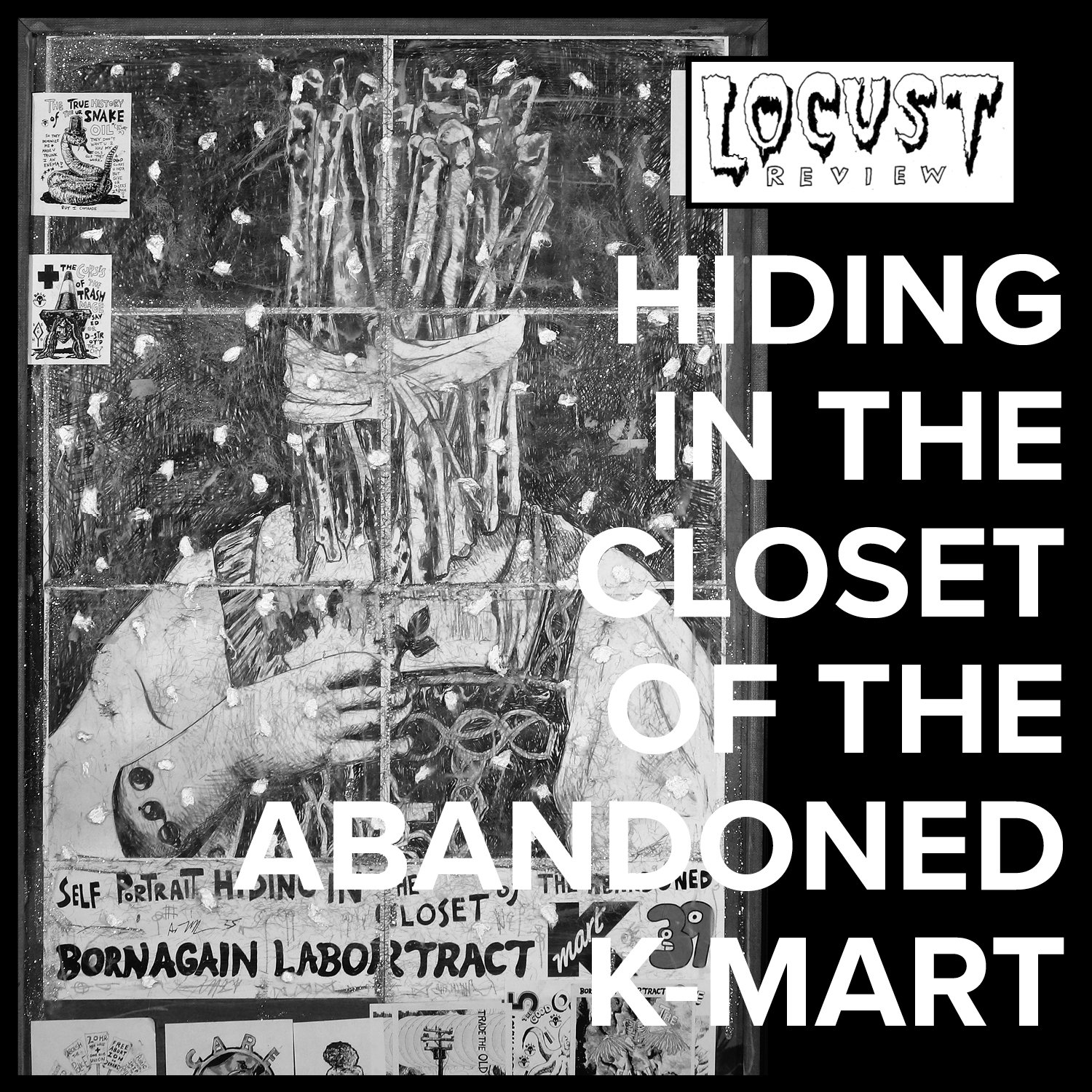
You’ve been hiding in the closet / of the abandoned K-Mart. / You’ve become a pastor to pigeons
nestled in trusses and rafters. / They coo to your sermons of / plentiful seed and a multiverse of millet.
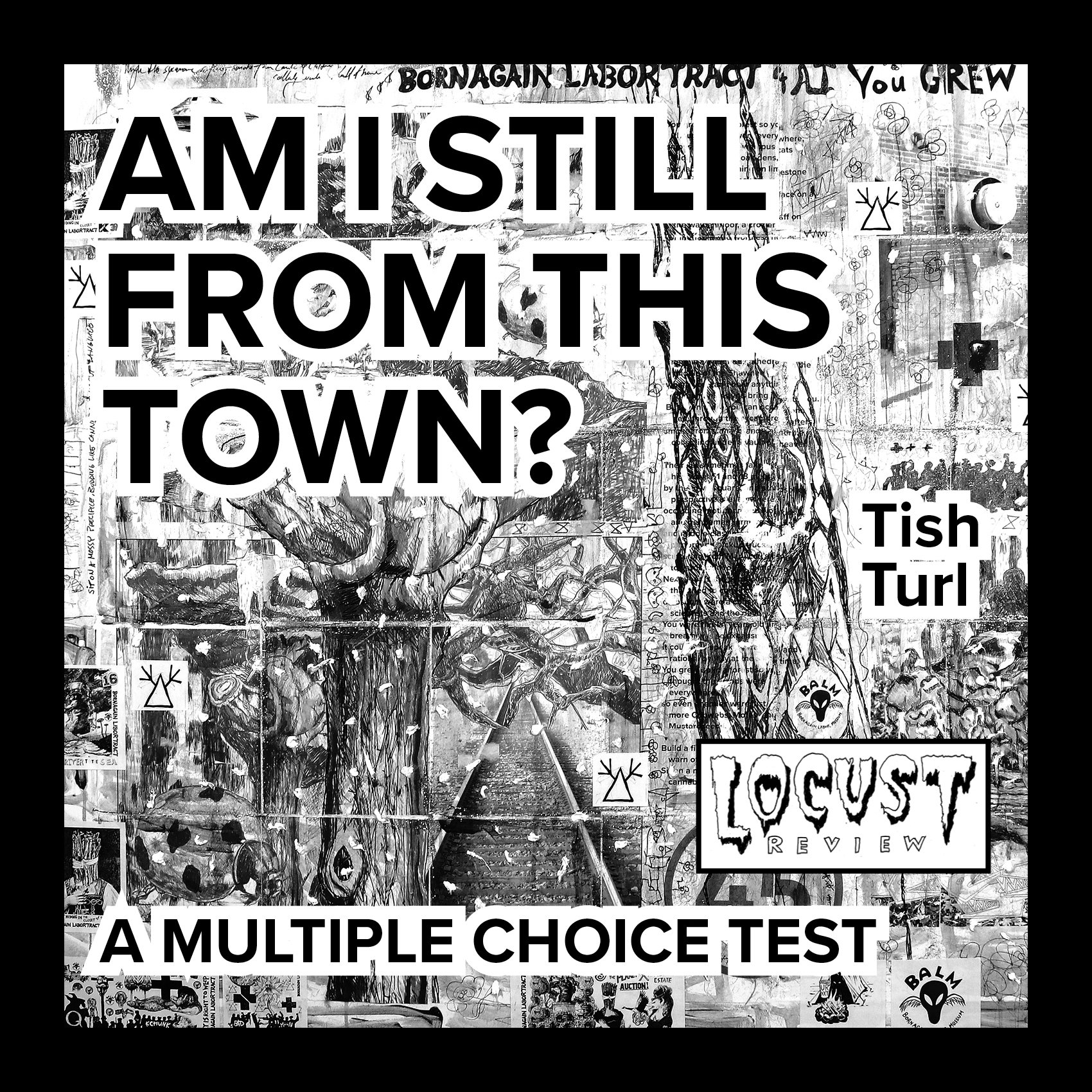
1. The first thing you smell when you hit Main Street is: A. Burnt oil and fryer smoke. B. The ghost of the factory, coughing in the dust. C. Your own nerves. D. All of the above.
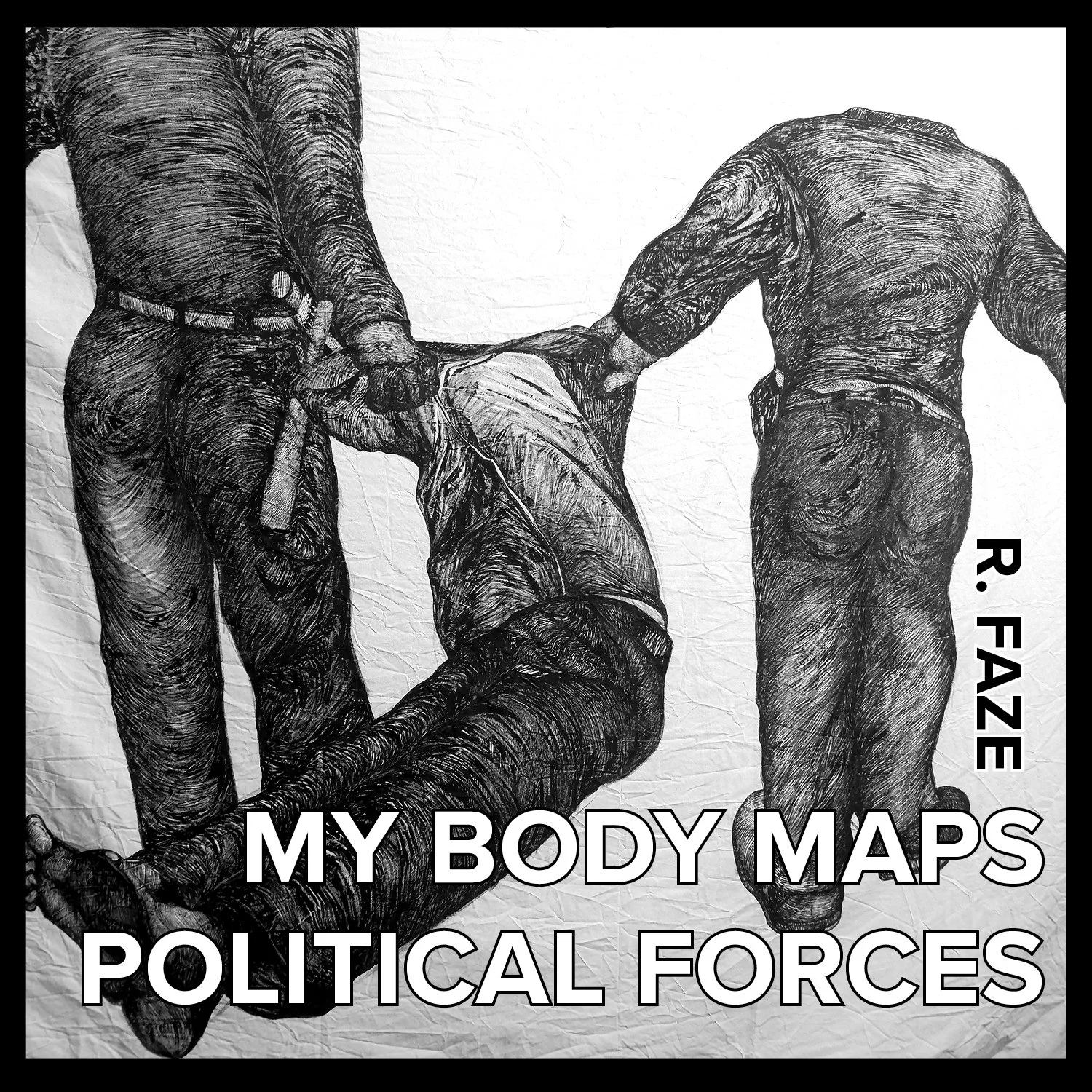
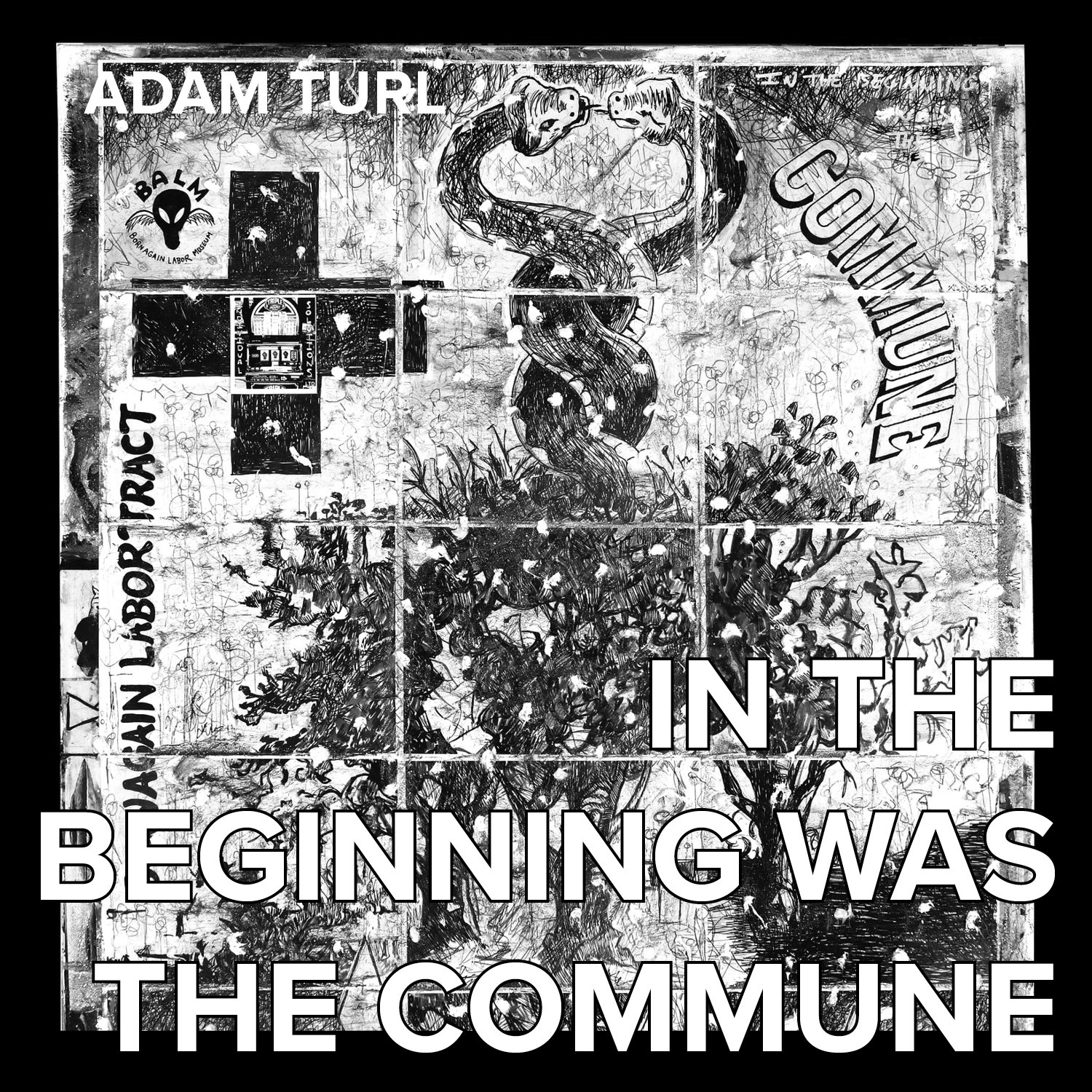
The socialist politics of art is, in part, centering both the rational and ineffable aspects of being on the actuality of a living revolutionary subject; the working-class both as it is, and as it could be. This includes the aspects of life that resist categorization, mapping, utility and rationality. Accepting this is not a concession to superstition. It is placing a working-class claim on all that it is to be human.
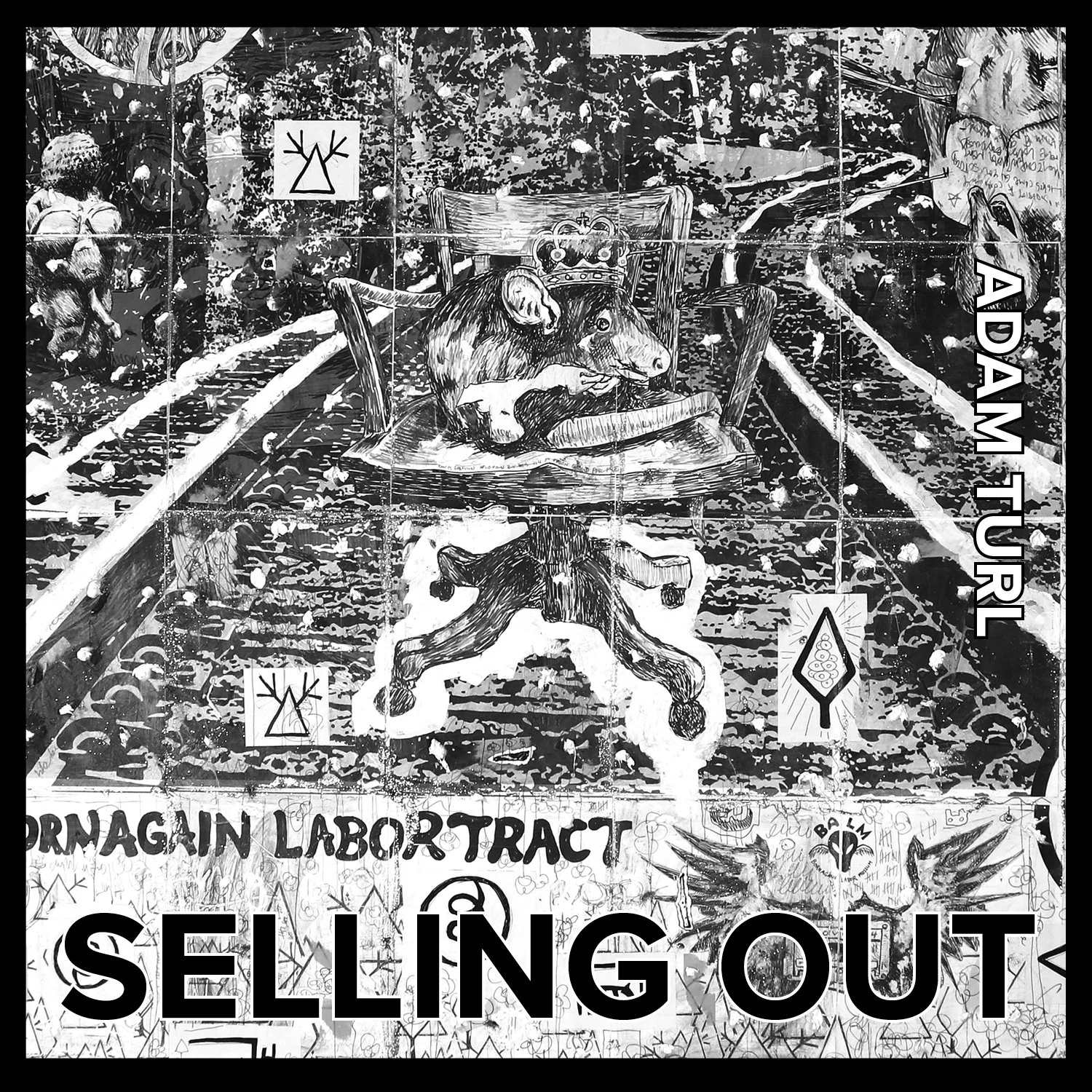
I contend that Manos, while complaining about the lack of politics in Turl’s work, has written a very apolitical review, predicated upon an intellectual campism rooted in what China Miéville calls “folk Marxism,” received beliefs, rather than dialectical reason. Manos’s view of the politics of art seems entirely functionalist.