
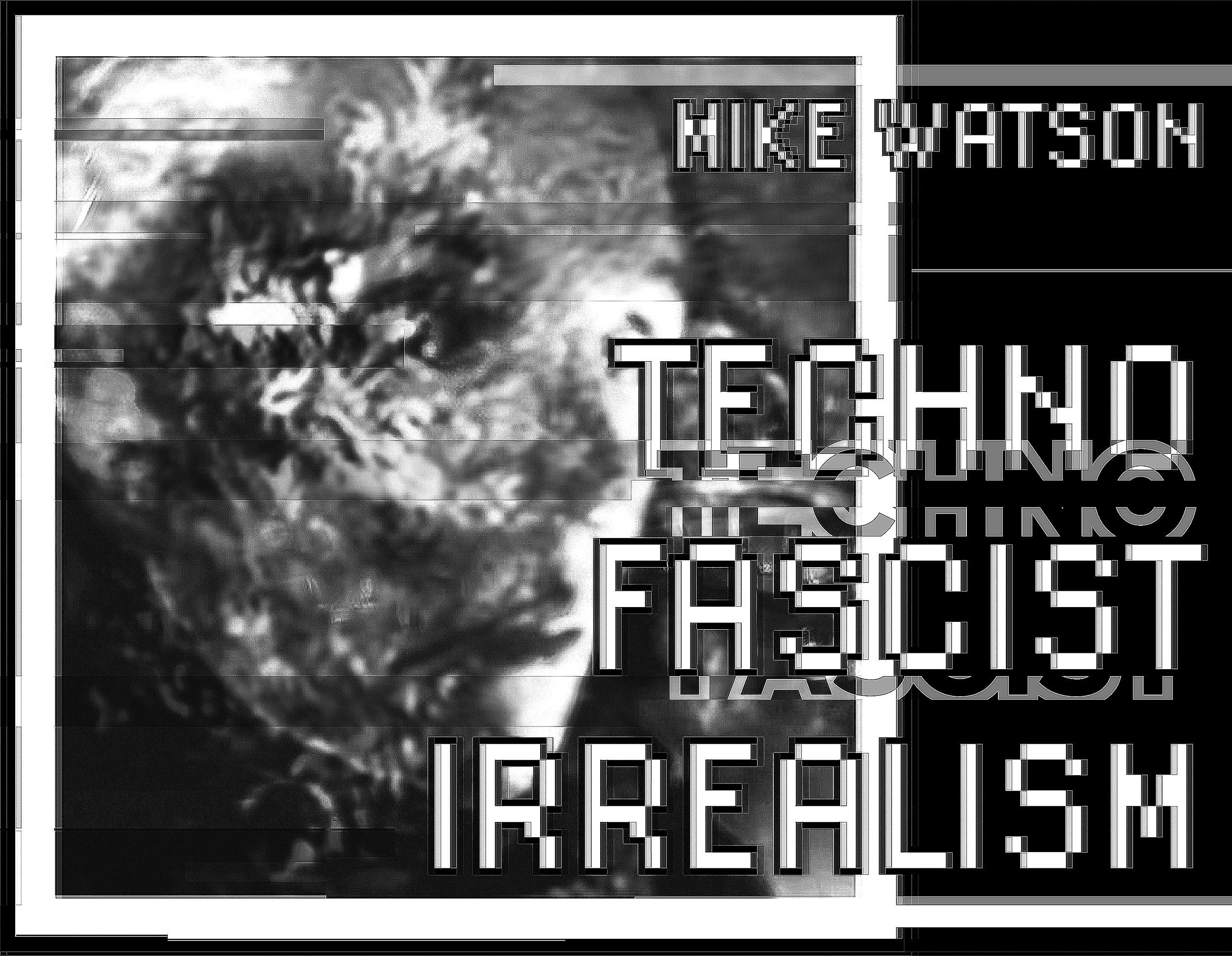
Our forebears said evil is banal, but still we were unprepared for the crushing weight of the everyday as it unfolds parallel to the shifting tectonic plates of history pursuing the darkest timeline. Politicians gather (like generals… in their masses) and pull levers that threaten to shift ethical poles and move continental thought patterns, leaving collateral damage in all four corners. A future army is set on the march. It might be made up of drones. It will be comprised of killers... Back home your son wants a particular dish, cooked in some specific way. The drains are blocked, in some anomalous way. The algorithms of war pump more data. The real estate magnate botches another sales pitch. It doesn’t matter — he’s not selling anyhow. He’s stealing. Meanwhile, you’ve got a lesson to teach, a bill to pay, a podcast to record, a meme to post, a pizza to cook… all as global techno fascism comes rolling in.
If we assume a priori there is such a thing as an objectively “good poem” — but do not unpack what that means — do we not risk making normative evaluations of other poets’ work?
And these, / throwers of caution to wind / are guardians of fire; / the living; / marching shoulder to shoulder with death, / ahead of death, / still living even after with death. / And forever with the name / with which they lived. / Since decay / passes beneath the tall horizon of their memory, / hunched and shamefaced.
I’m almost positive that / I’m dying. / Don’t laugh. It’s not a joke. / I haven’t told my wife yet / and I expect, / at your age, / you should be able to keep a secret.
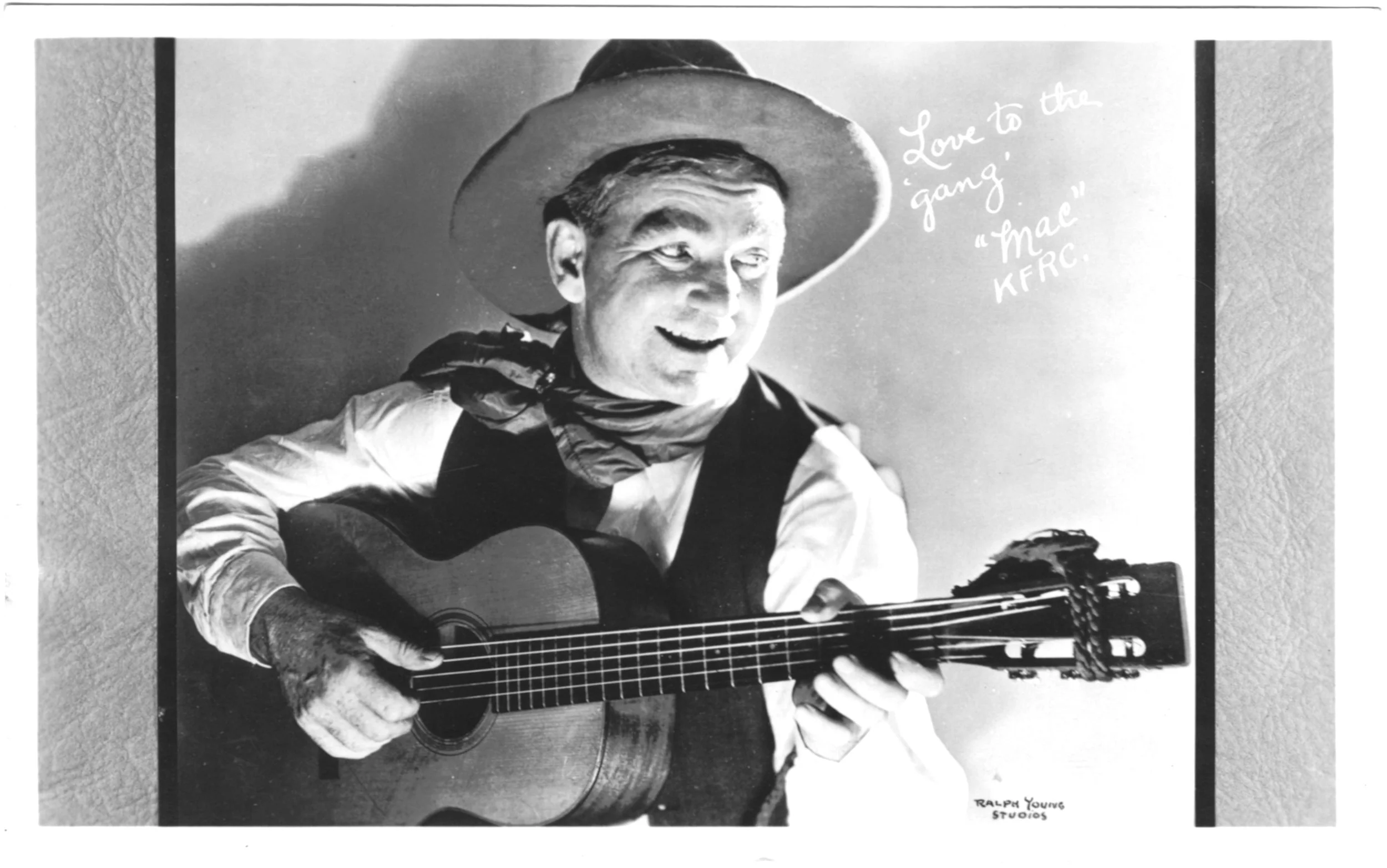
Where they hung the jerk / That invented work

Free as black ants in a bladed line.

There are four great interwoven crimes that create capitalism — enclosure and the creation of the proletariat, industrializing chattel slavery, colonization/imperialism, and the subjugation of women and gender normativity. Not one of these is possible without racism. Not one of them is “over.” Not for working-class and poor people. Not one of them has stopped its ruthless destruction of life and being. But the mountain will come crashing down in a wave of a billion voices, accusing, exposing, confessing, rebelling. Hamilton’s book of brilliant poems is, in this sense, prophecy.

I want to create characters not that people aspire to be like but whom people see themselves in who end up doing things they already aspire to do but won’t, for whatever reason. Probably this penchant for fictional violence against wealth hoarders will get me into trouble eventually. Until then, however, I will continue to write about working class robots in sewers trying to shoot the evil meat above.

I went to visit my body to see how it was doing; it was not very responsive. It pretended I wasn’t there. That’s acknowledgment, a response, isn’t it? A step forward. You wouldn’t pretend if nobody was there. You’d just be you. Your normal, non-observed you. It was definitely pretending.

I invested in three cans of pepper spray / from the army surplus, / passed them out and bought ten more / to watch the masked kids / choke the air

In December 2019 the Born Again Labor Museum and Locust Review issued our first “Irrealist Worker Survey” as part of our quixotic attempt to map the gravedigger’s multiverse. A selection of responses from you — our dear comrade readers — along with the survey questions, as printed in Locust #2, is posted here.

The default cultural logic of neoliberalism and the political center is capitalist realism. In response the cultural logic of working-class emancipation (socialism) is critical irrealism. The ir – or no – of critical irealism is opposed to a particular kind of realism. Therefore, we should examine it more closely.
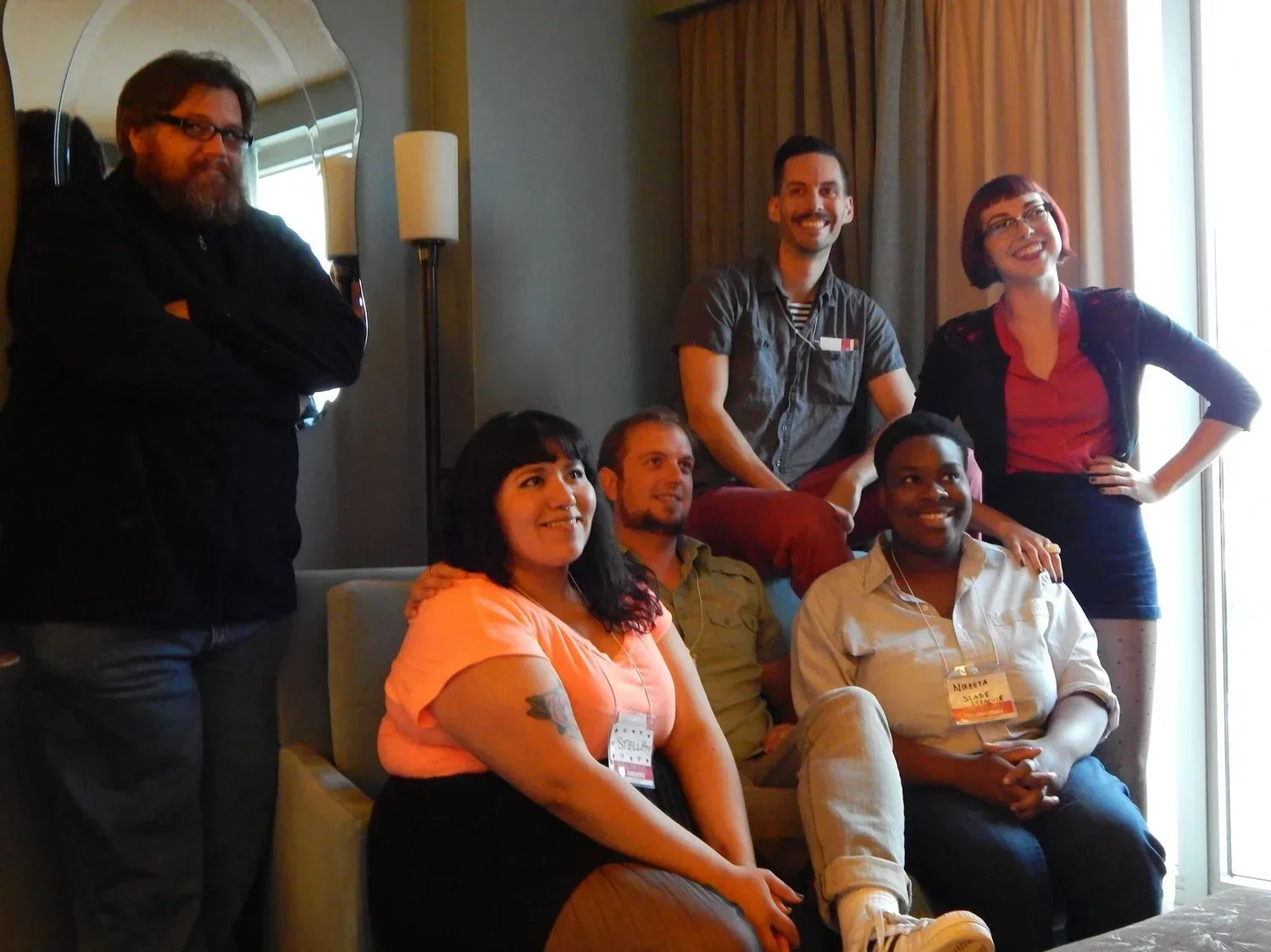
The following essay was written in February of 2020, for the website of left-wing arts and culture publication Red Wedge magazine, not long before its activity ceased and former editors moved on to other projects, including Locust Review. We post it here in an effort to give readers a sense of LR’s roots, the artistic and political questions that we have sought to answer, and the bearing they have on those being taken up by the Locust project. In the coming weeks, we will also be publishing a selection of Red Wedge’s best material.

BCDT reminds the screen reader they aren’t reading paper. It reminds the print reader they are reading paper. It reminds the print reader they aren’t reading a screen. It reminds the digital reader they are reading on a dream stealing machine. It reminds those holding the physical design of ephemerality.

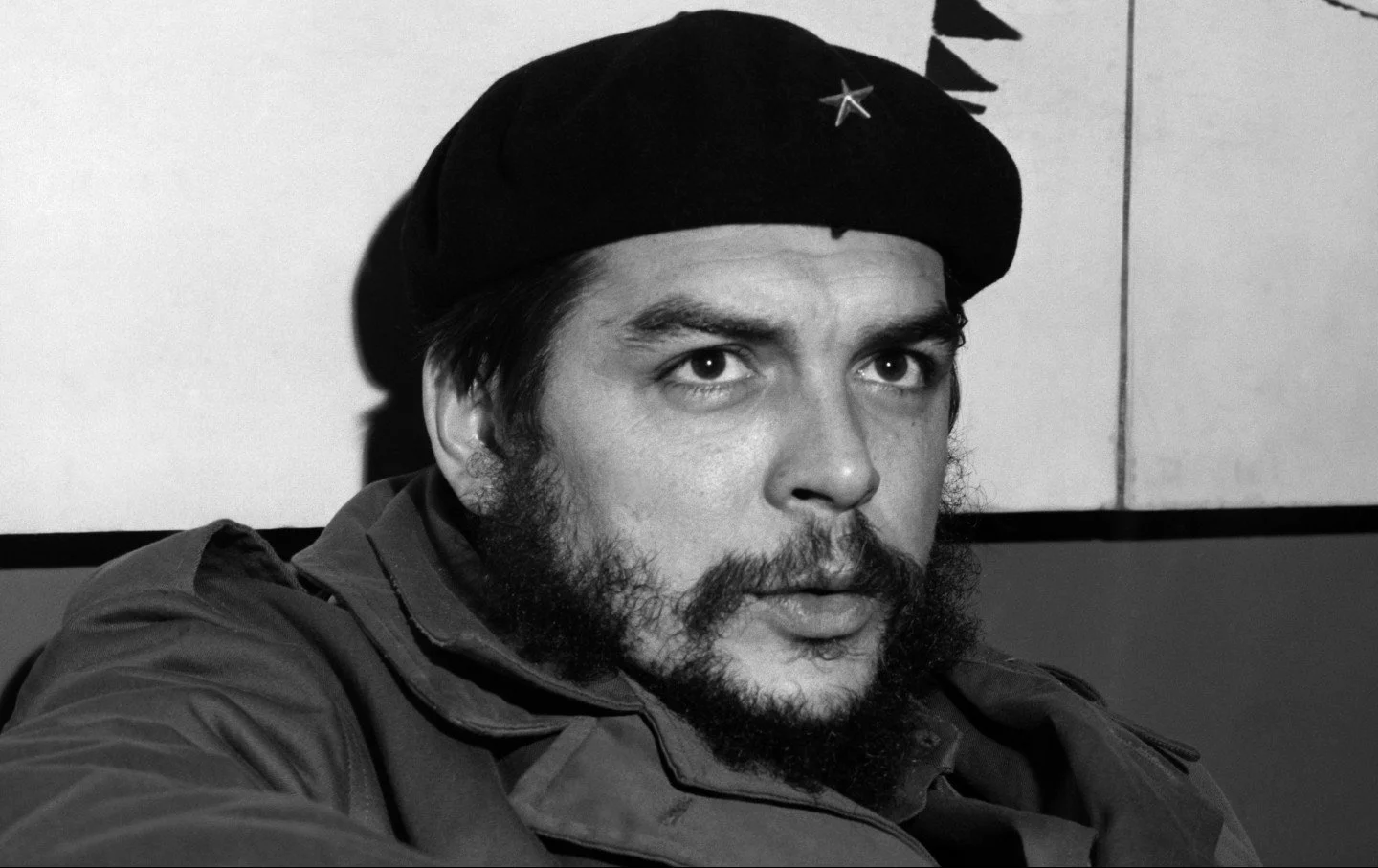
WHEN JON Langford was at art school – University of Leeds, the college he refers to below – it was right around the time that TJ Clark showed up. Clark, the Marxist art historian and one-time only British member of the Situationist International, apparently did a lot to pull the university’s art college away from its staid and stale academic approach to art. Langford, in other interviews, has jokingly likened him to a Che Guevara figure for the art department.
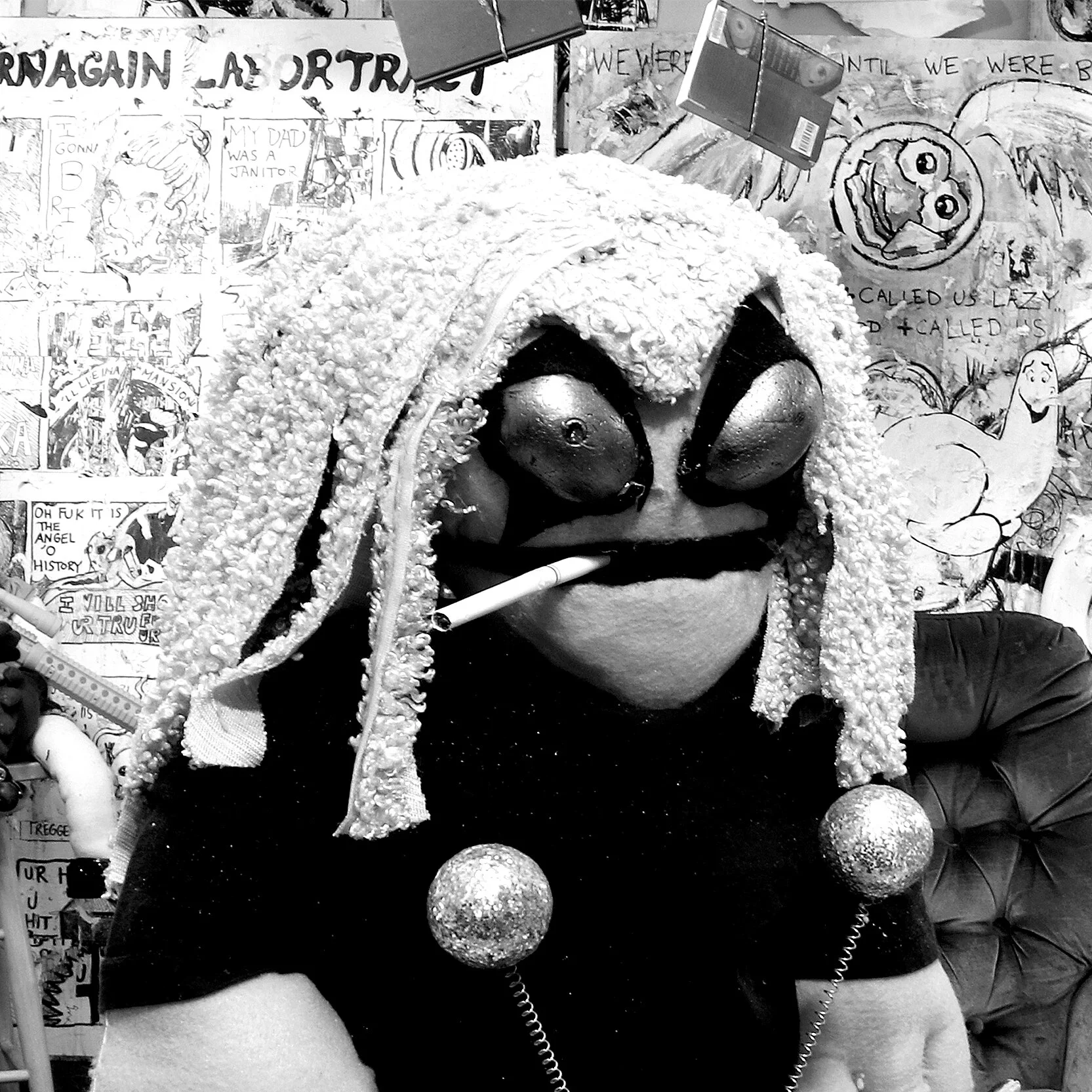
“How are we going to get home?” She turned to her friend after a short pause.
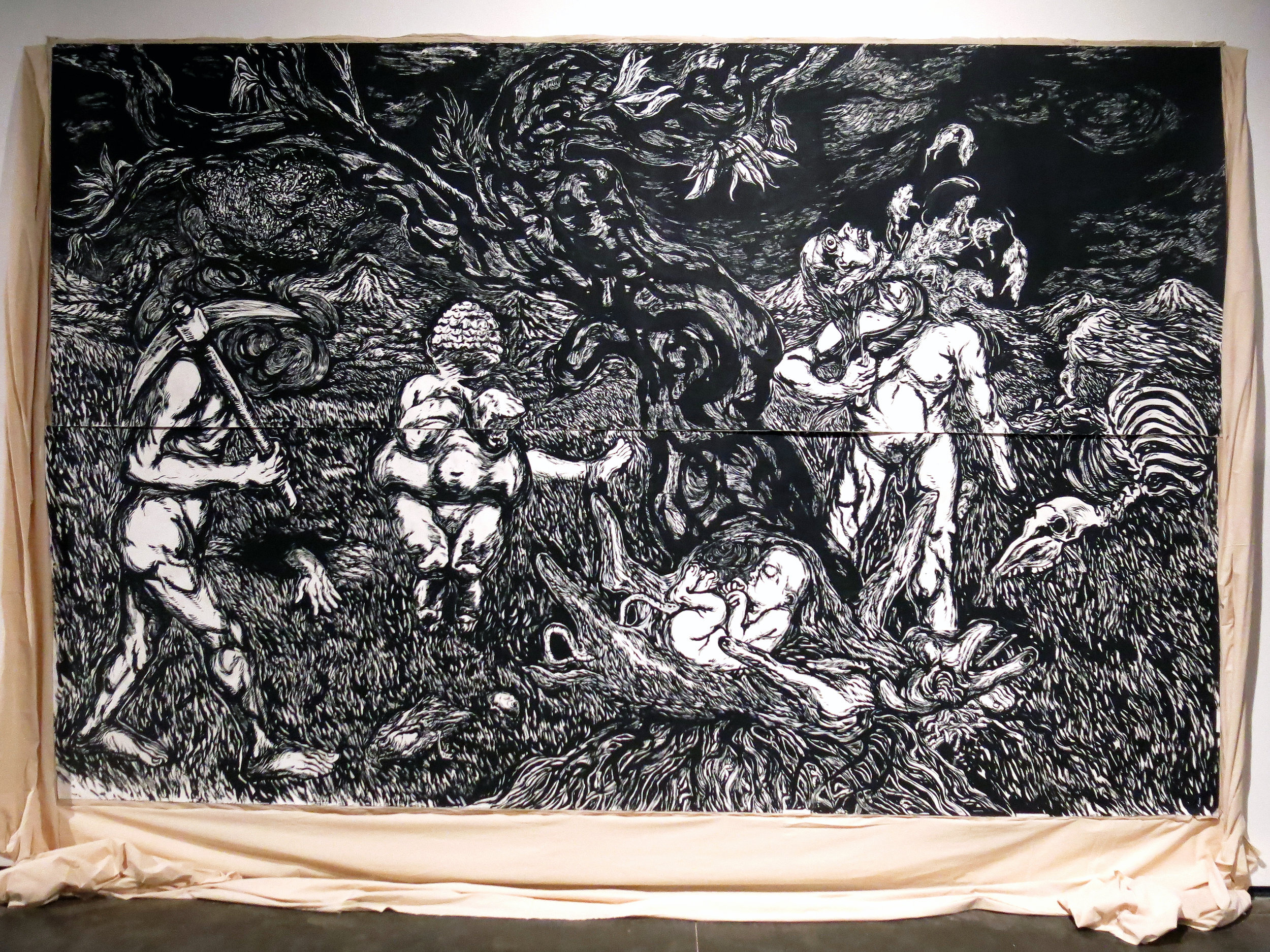
The problem with making narratives, as I indicated in my earlier response, is, that if you focus on anyone’s life, or any single event, it seems to contain one body talking. So, let’s say, you, Adam, are asking me a question, but it is not just you asking the question. The question comes, in part, from all the information you’ve gathered in your own life. If I don’t share my works with you, you can’t ask me about them. It always depends on others. It is not an individual person either asking the question or giving the response. It is an amalgamation. This amalgamation, different from accumulation, is a kind of excess.
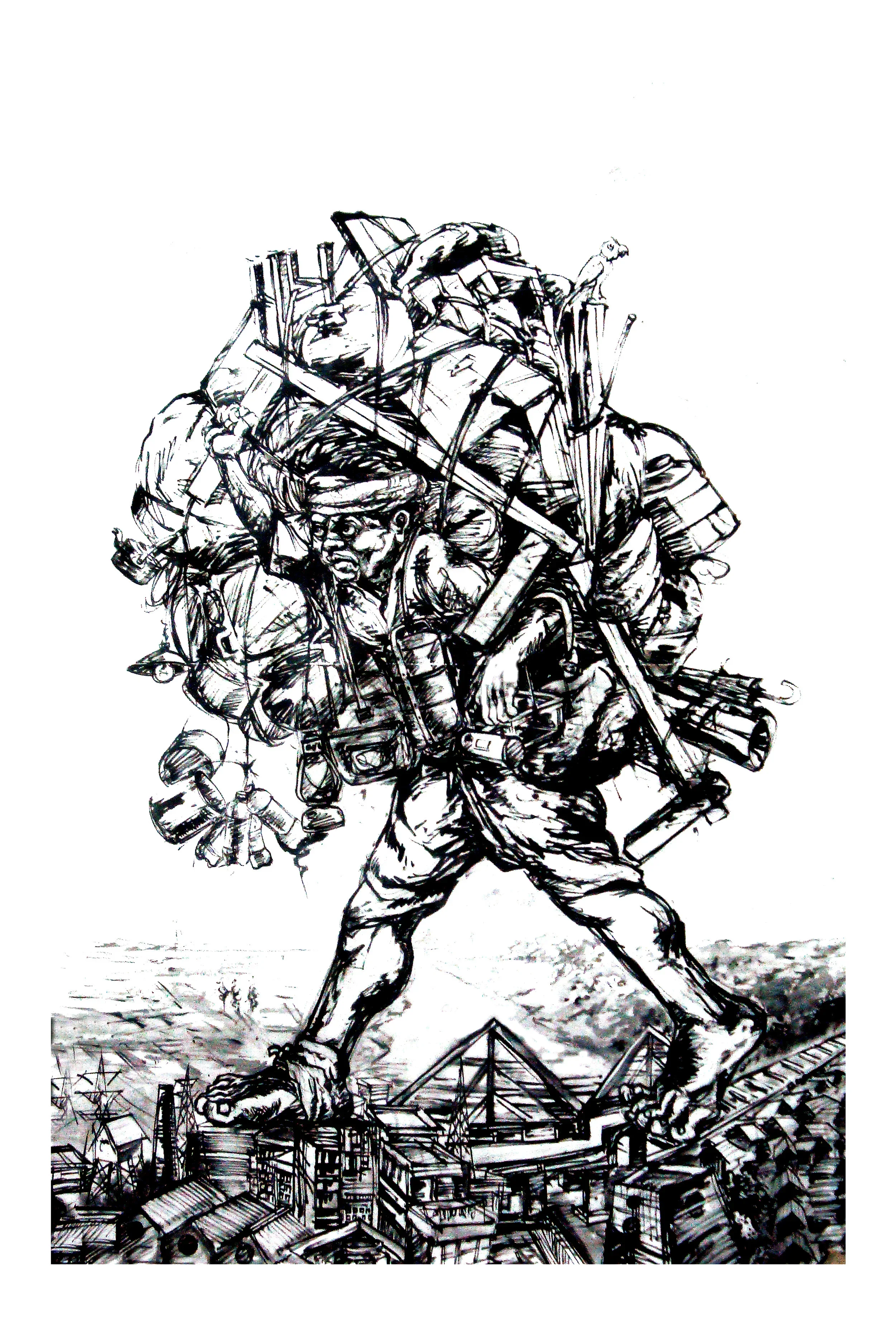
In a nutshell, historically speaking, and including the history-of-the-present, to be on the left is transgressive. It is many other things in addition to this, but it is transgressive, first and foremost against a prevailing order that severely limits or - alienates - human capacities and freedom.
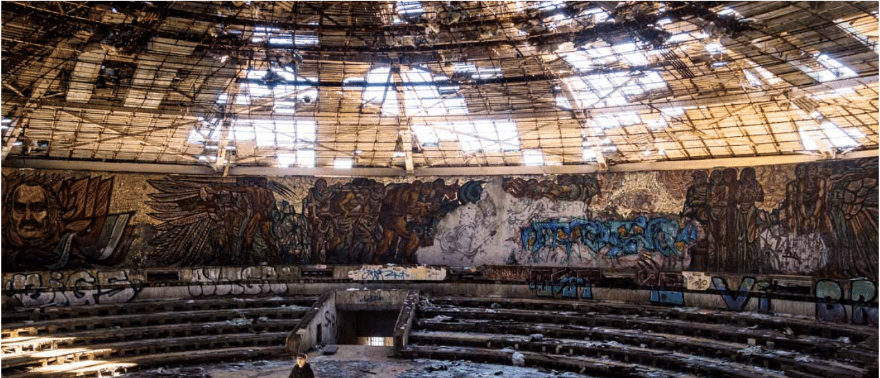
Not even Hitler used chemical weapons against his own people says the White House Press Secretary, and subsequently all evidence to the contrary becomes a minor qualification. Meanwhile the figurehead of the official “resistance” loses elections not due to her campaign’s own failures, but because voters didn’t understand that it really and truly was “her turn” (one can clearly pick out, per Brecht’s formulation, the desire “To dissolve the people / And elect another”).
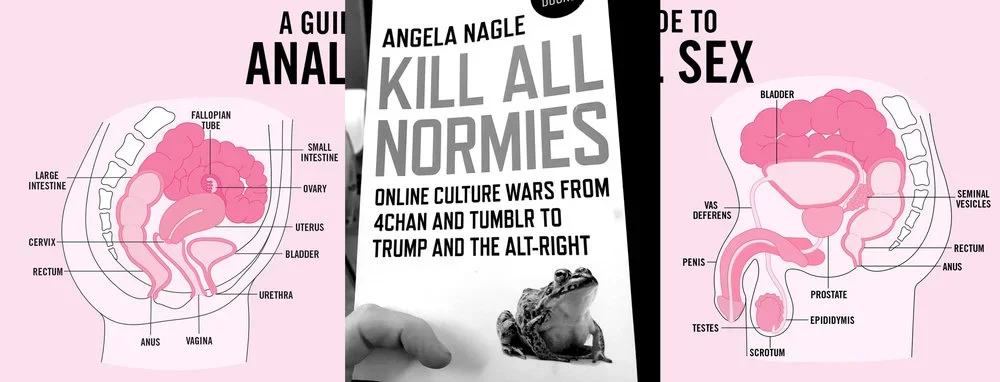
Instead of paying attention to this sack of potatoes, Leftists should read Teen Vogue. The kids are alright, Tumblr or not. Certainly more class conscious as well as “woke” than Nagle.

Of course there are fundamental differences between contemporary art and the art of primitive communism – but art continues to hold a dual social-spiritual functionality as well as a “profound negotiation between subjective vision and collective mythology.” Among the anthropologists it is those arguing for the shamanistic interpretation that are following a dialectical materialist approach to their subject – using empirical data toward probable generalizations of social and cultural movement. The post-structuralists, with their devotion to specificity, are trapped by their philosophical idealism. In their upside-down Platonic cave they obsess over shadows and refuse to consider the light.
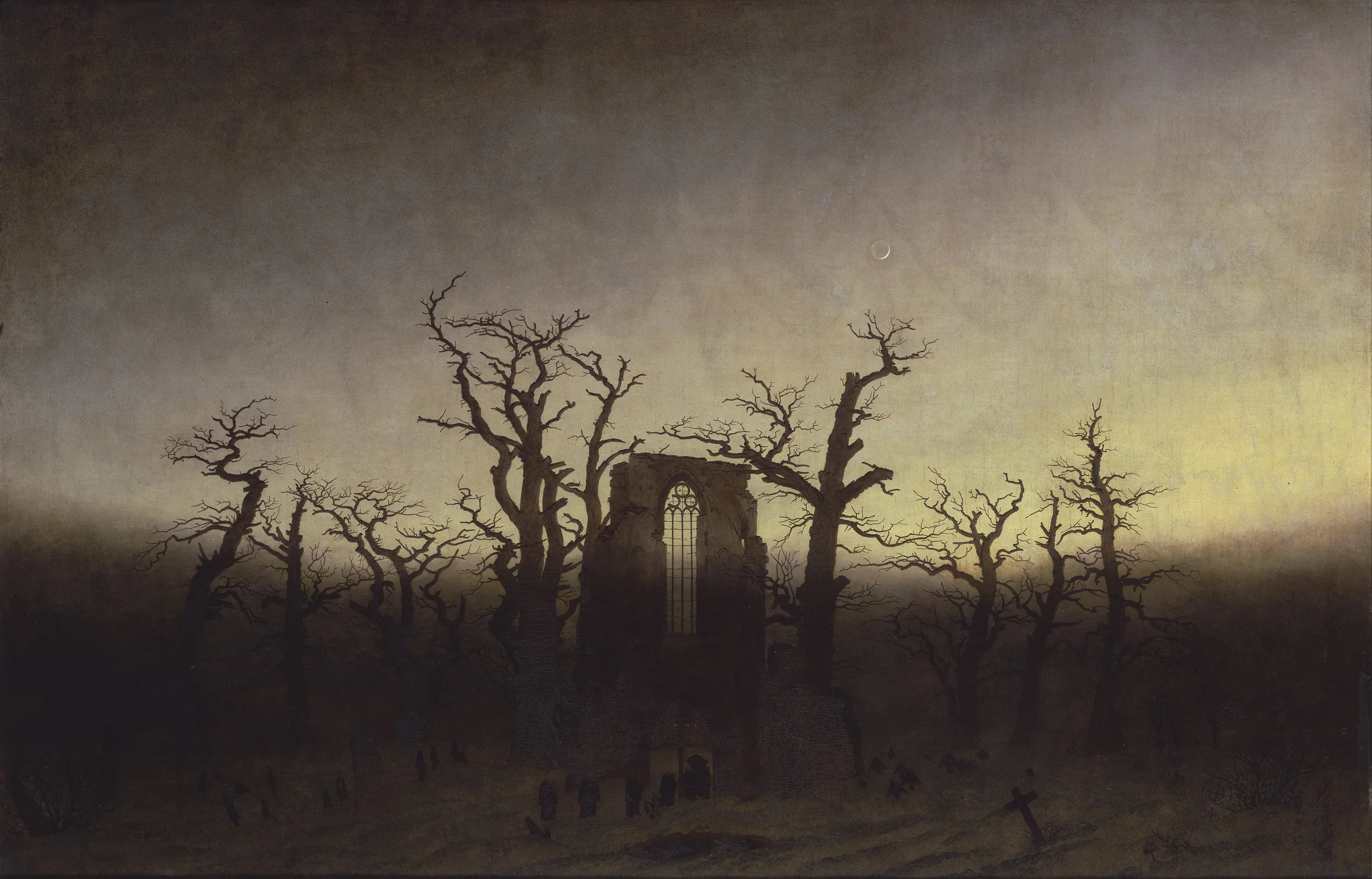
Of primary importance for us, in the United States, is the post-industrial ruin, the shells of the 1970s, when hopes for feminist, Leninist, Black Nationalist and working-class radicalism all crashed on the shoals of the neoliberal future. To let history wash over you is to be consumed by a past of horror and nostalgia, a history of autonomy gained and lost, repeatedly, and on various levels. Cultures (within capitalism) die everyday, sublimated into new cultures, which in turn will die. Capital imagines the world after its own negation — but only in its dreams. Writ large, capital can only reproduce.
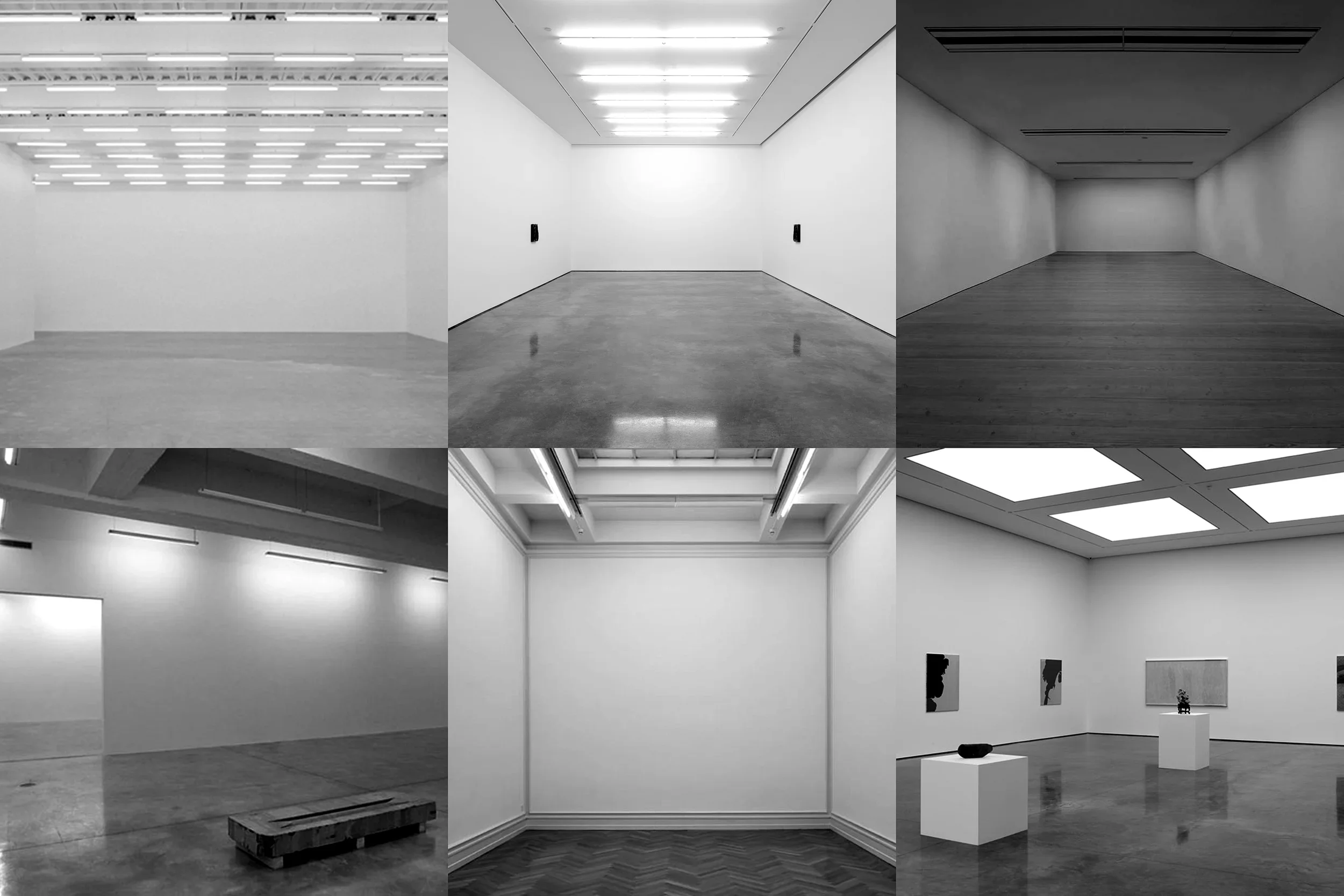
The space implies the artwork’s eternal value and obscures the labor of installation by visually and physically detaching it from the circumstances that precede its production and exhibition. The space attributes the art object to an independent existence, and cements its frozenness in a privileged class of expensive objects, appreciated by the culturally literate and collected by the extremely wealthy.

American fascism has a plastic shopping mall nostalgia. It is the fascism, not of a young empire thwarted, but an empire in decline. It is, at one level, a photograph of an abandoned Pizza Hut with the caption “This is what they took from us.”

Early in US history, graveyards were chaotic tumbles in the middle of cities. In the late 19th century, however, there was a suburbanization of death. Large new cemeteries were built in the farmlands and woods outside town. The ramshackle graves in the cities were sometimes a health hazard but also a site of ideological discomfort for the bourgeoisie. In Chicago, the silty earth near Lake Michigan would sometimes belch up a buried corpse. Wealthy cosmopolitans increasingly envisioned grassy fields with trees housing family mausoleums like estate mansions. Such stately accommodations were out of the reach for workers. For the poor there was a potter’s field.

“I wanted to greet you, welcome you, embrace you, but ‘Normal’ kept getting in the way. I wish you, the Old King, the New King, and the Old King’s soldiers, good luck.”

We found the corpse of Capitalist Realism. Rona-riddled, the initials “ACAB” carved in its forehead. It was discovered in the burnt shell of a Minneapolis police station. On discovery it opened its eyes and stood up and told us to go back to work. We refused. It reached for us, moaning a voracious hunger of unholy sadism, unquenchable violence, an unknowable cosmic horror, stinking of gout and fresh teargas.

“BE REALISTIC” we are told. The weather is rejecting us, fascism has resurrected itself, pogroms rage, new pandemics knock on our doors, and yet, “be realistic.”
“Be realistic.” The favorite refrain of those who, in their blindness to history, allow history to be changed in ways they cannot understand. “Be realistic.” The slogan of those who love their power and privilege while denying they have any of it. “Be realistic.” The bootlicker’s mantra, chanted when the independent thoughts they have repressed begin to surface.

TEN YEARS ago, as the Great Recession ripped through people’s lives, the left-wing cultural critic Mark Fisher penned his book Capitalist Realism. The book diagnosed a cultural logic of late-late-capitalism in which the Thatcherite idea of “There Is No Alternative” had been diffused through every politico-economic institution, every cultural manifestation, how we regard work and education, consumption and self-expression.

Edward Bond died on March 3 a cumbersome cultural figure. Always controversial, but celebrated in the 1960s and 70s, no major British stage has taken on a new work from him in decades. He died as Israel inched into its fifth month of its massacre in Gaza. And he died at a time when theatre matters less than it has at probably any point in human history.

The Theatrical Party embraces the organization of pessimism in contrast to the false optimism of the left. To be a revolutionary pessimist is to separate the political actor from their role. It is this separation which, in the epic theater of Brecht, invited a critical outlook on the performance from its participants and spectators — the first step in the transformation of spectators into collaborators, a task integral to both theater and the forging of a revolutionary party.
We want a record of the real in the work — as in the cotton and ash — as well as reclamations of our history and imaginaries constructed against the limits of working-class imaginations by capitalist realism. So the individual pieces are sort of vignettes of class pathos and poetry, often in an irreal idiom, and all together representing, as much as we can, the limitless expansive nature of these stories in aggregate.

What is the liberal bourgeois approach to this apocalyptic exposure? In terms of policy the response seems to be defined by absence — a bewilderment of futurism interrupted by the supposed incoherence of Trumpism and random social failure.

The Irrealist Combat League is for the construction of performances — for aberrant departures from the motions of everyday life, for the active imposition of proletarian will on space and time, for the enrichment of the political-imaginative capacity of the revolutionary class.

IT COULD just as easily come from the world outside our window as it could the screen of our computer. By now cyberspace and meatspace are inextricable, intertwined and mutually dependent. Where just a few decades ago we would look at the Los Angeles of Blade Runner or the Detroit of RoboCop as cautionary tales, today they are cousins of the present. The sight, the sounds, the smell, the structure of feeling of uneven and combined apocalypse – high tech, low life – these are with us right now, staring us in the face.

Many of the best Marxist cultural interventions come from an intersection of Marxism and the Romantic/Gothic, either intentionally, or among Romantics moving into Marxism (even as they reject the Romantic),12 imparting a kind of working-class messianism. Because art cannot change the world — only the class can do that — this messianism often takes on a displaced character. Aaron to Moses. John the Baptist to Christ. Bodhisattva to Buddha.

In the face of this, appeals to normality are, in essence, the toxic optimism of American exceptionalism, the belief that America is somehow above time, above consequence. And though the reality of President Joe Biden has breathed some new life into this myth, make no mistake, it nonetheless wobbles like a drunk trying to walk a tightrope.

A single mother is driving past an abandoned factory on her way home from a low paying job. She is hungry. Above the factory a billboard floats in the sky advertising a succulent feast. But it does not strike her — or us — that this is odd, that her hunger has manifested itself above the factory ruin in an image of unavailable food. When we step outside ideology we see this absurdism for what it is.

While the critical irrealist ties the emancipation of the constrained subject to a collective fight against the forces that constrain that subject, the fascist occultist seeks unity with the constraining forces. Each responds to the disfigurement of individual subjectivity under the “normal” workings of capitalism; each rejects, to some degree, the profound lack of imagination engendered by capitalist realism. How they are opposed, in irrealist cultural performances, gestures, artifacts and media, is largely in the different ways they position/construct/code subjectivity in relation to the sources of this disfigurement.

THE MICHELISTS, who renamed themselves the Futurians in 1939, were a group of mostly working-class and precarious middle-class science fiction (SF) fans, largely centered in New York, who, in the 1930s, aimed to take over SF fandom for Communism and the Popular Front.

Wandering through the areas of London – Marylebone, Stratford, Lewisham, Hackney Wick -- one gets the sense she is pensively but frantically trying to piece together a history-from-below of every street-corner and underpass. Her descriptions digress into memories, often several layered on top of each other, rabbit-holes within rabbit-holes: 1989, 1996, 2003, friends, strangers, acquaintances, piss-ups, drunken brawls, bonfires, people who fell in-and-out of love, bored afternoons, demonstrations and riots, previous drifts that will bring her back into the moment in front of her. “The polychromatic riot of London’s histories,” she says, “travel in shimmering, tangled lines.”

Rationality tends to be sutured to the concept of realism, so instrumental rationality in particular presupposes a proper epistemological mapping of the territory of “the real,” for the goal of controlling it. Mark Fisher’s idea of “capitalist realism” describes the totalizing phenomenon, that form of aesthetic and intellectual dominance.

Tingle glosses past the wider implication of a spell that gives everyone exactly what they need when they need it, choosing only to say that it was banned for destroying the economy, upending governments, and ruining the game show industry.

The dominant UFO visitation myths echo popular occultism in capitalism. The individual is abducted or visited -- in a secular-but-not-secular epiphany -- enweirding their life with either trauma or good fortune, or both; even if the good and bad fortune is a mere valorization of the formerly discarded individual within a cruel social totality. This is the ufology of “normal’’ bourgeois capitalism; the kismet of the UFO encounter.

A massive crowd of mostly black-clad protesters faced off with an army of police in riot gear. As yet another tear gas cannister was fired, a bright spot of pink emerged on the front line. One single bright pink umbrella opened, defiant against the horde of jackbooted thugs. This was perhaps the beginning of the curiosity that was the Capitol Hill Autonomous Zone (CHAZ) alternatively known as the Capitol Hill Organized Protest (CHOP).

On November 12th, 2020, Locust Review editors Alexander Billet, Holly Lewis, Anupam Roy, and Adam Turl presented at this year’s Historical Materialism conference. As this year’s conference was online — due to the plague — it was streamed live on YouTube. Our presentations dealt with various arguments regarding critical irrealism as a key socialist cultural strategy.

Salvagepunk and hopepunk share an antipathy for many of the so-called “realisms” that have come to dominate our culture.
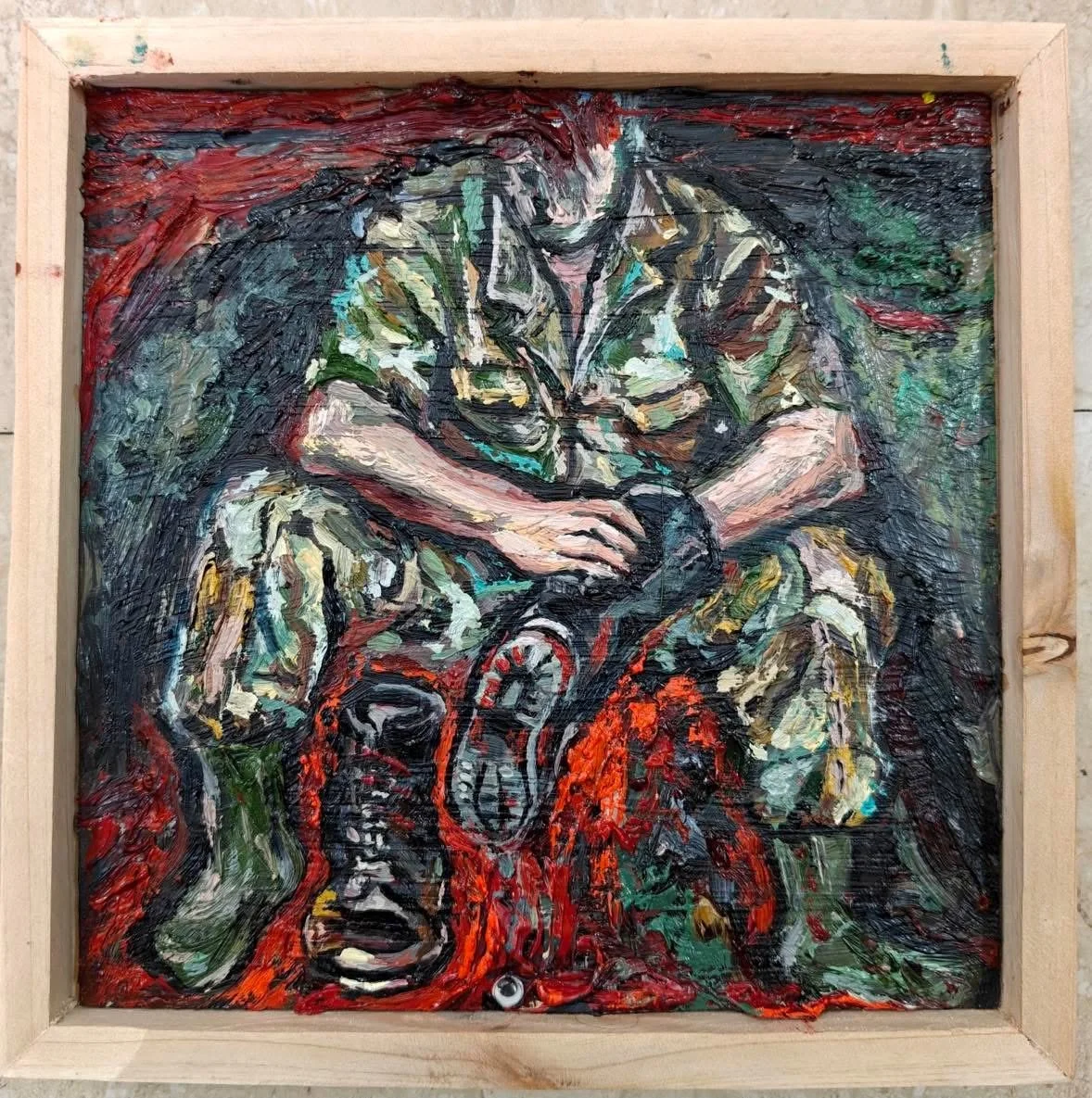
Eyes Are Remain Wide Open, oil paint and googly eyes on MDF Board (2026)
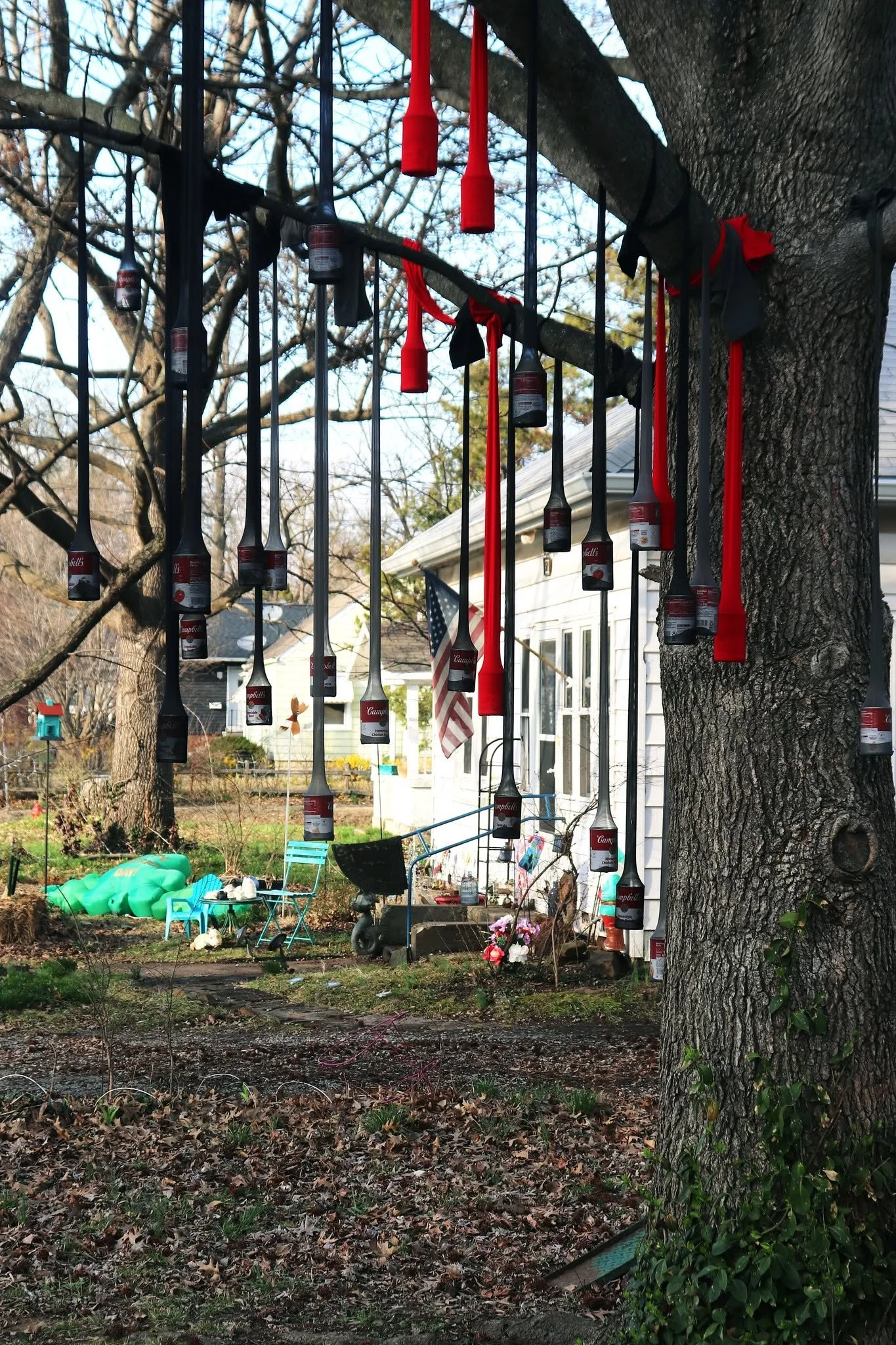
Tish Turl and Adam Turl, Soup for Your Family - tree, pantyhose, Campbell’s soup cans (2026)
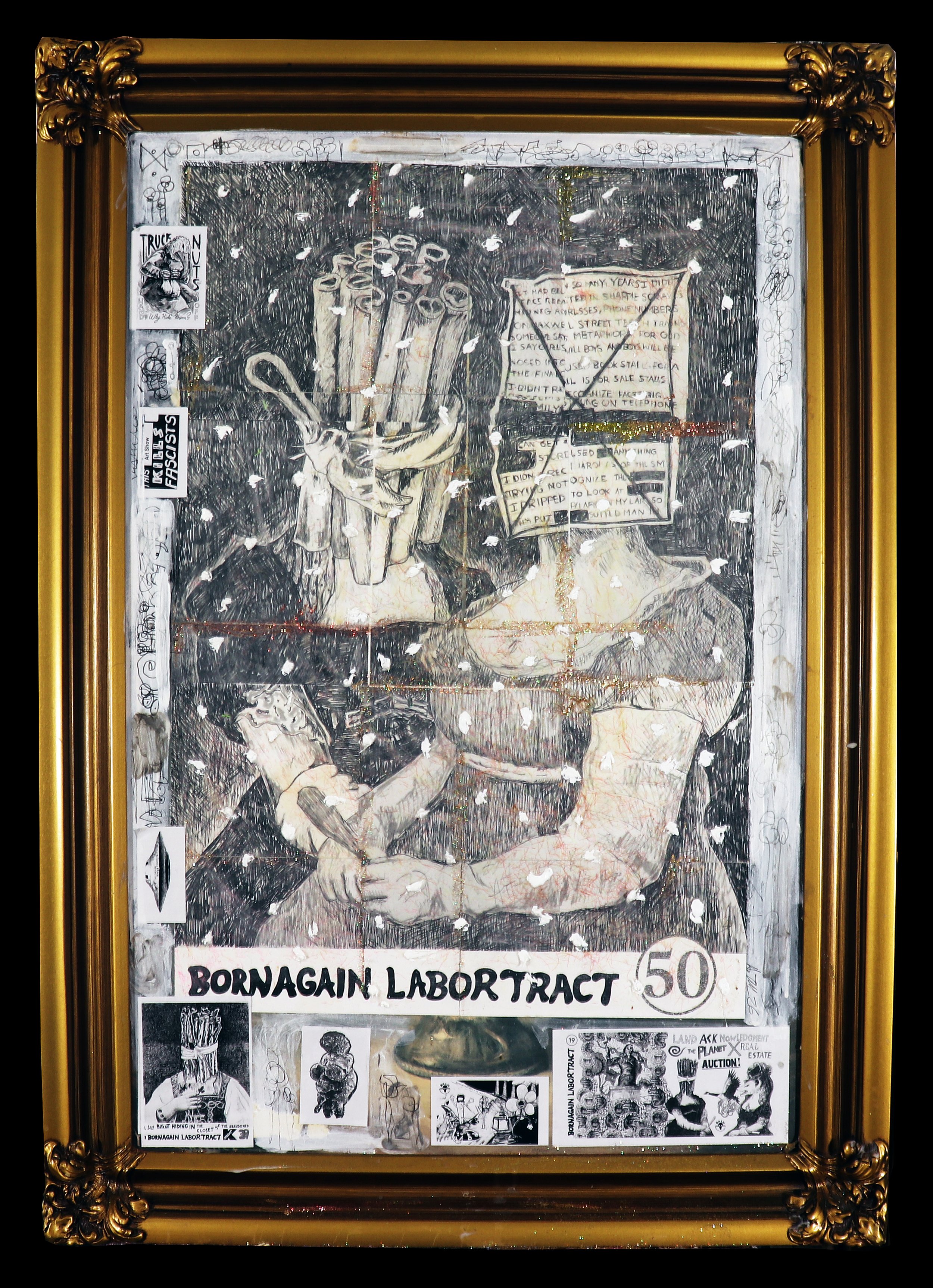
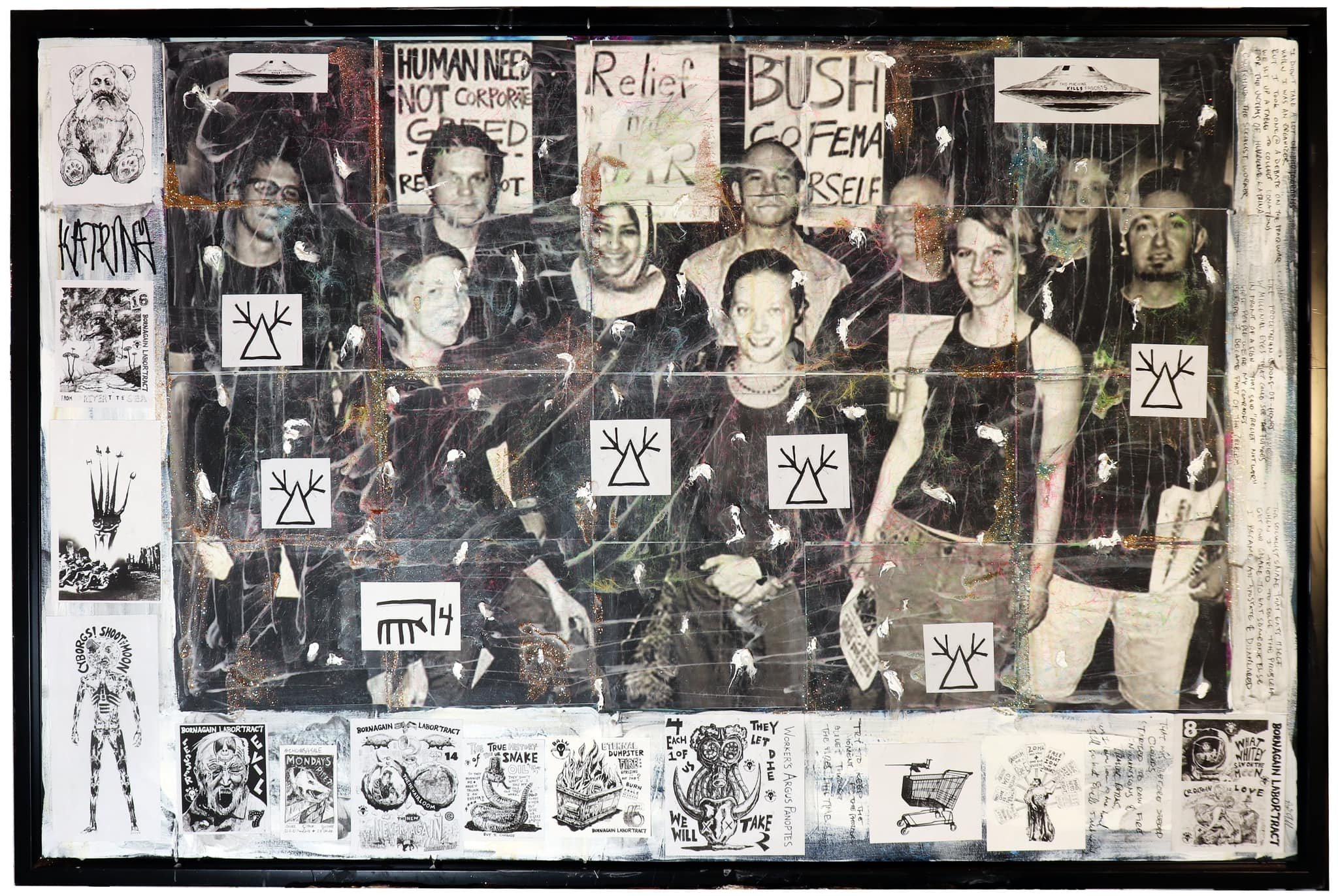
Tish Turl and Adam Turl: Born Again Labor Tract 50: Self-Portrait with Redacted Atrocity #1 - mixed-media collage and painting, digital prints, acrylic, marker, glitter, graphite, ink, coffee, stickers, cotton and ash on salvaged "thrift store painting," approx. 38 x 27 inches (2026)
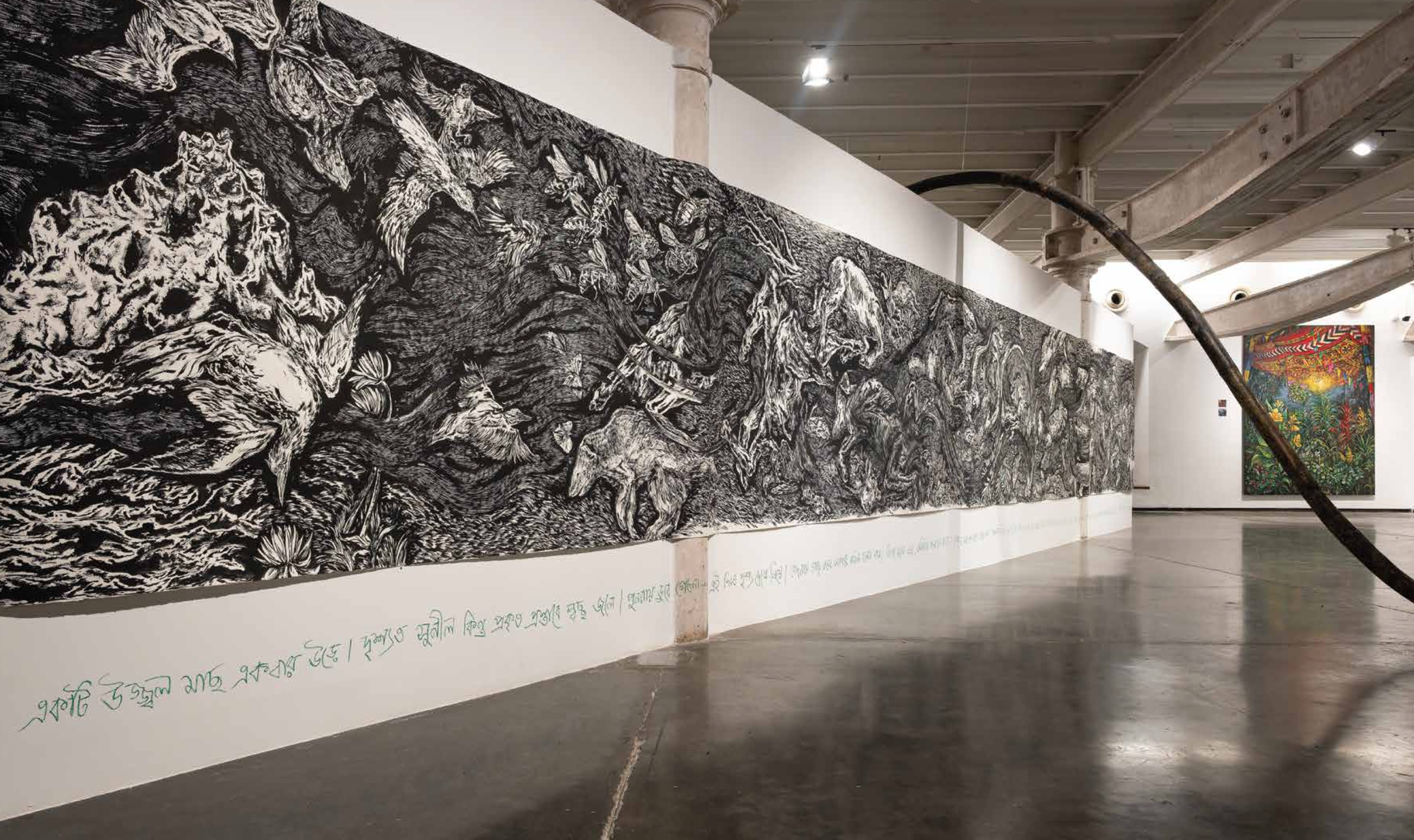
Anupam Roy, Seventh Broken Story: Sloshing Time, Jessore Road, ink on paper, as installed at Project 88 in Dehli for …ing: Sceneries without Sovereignty, Project 88 in Delhi, India.
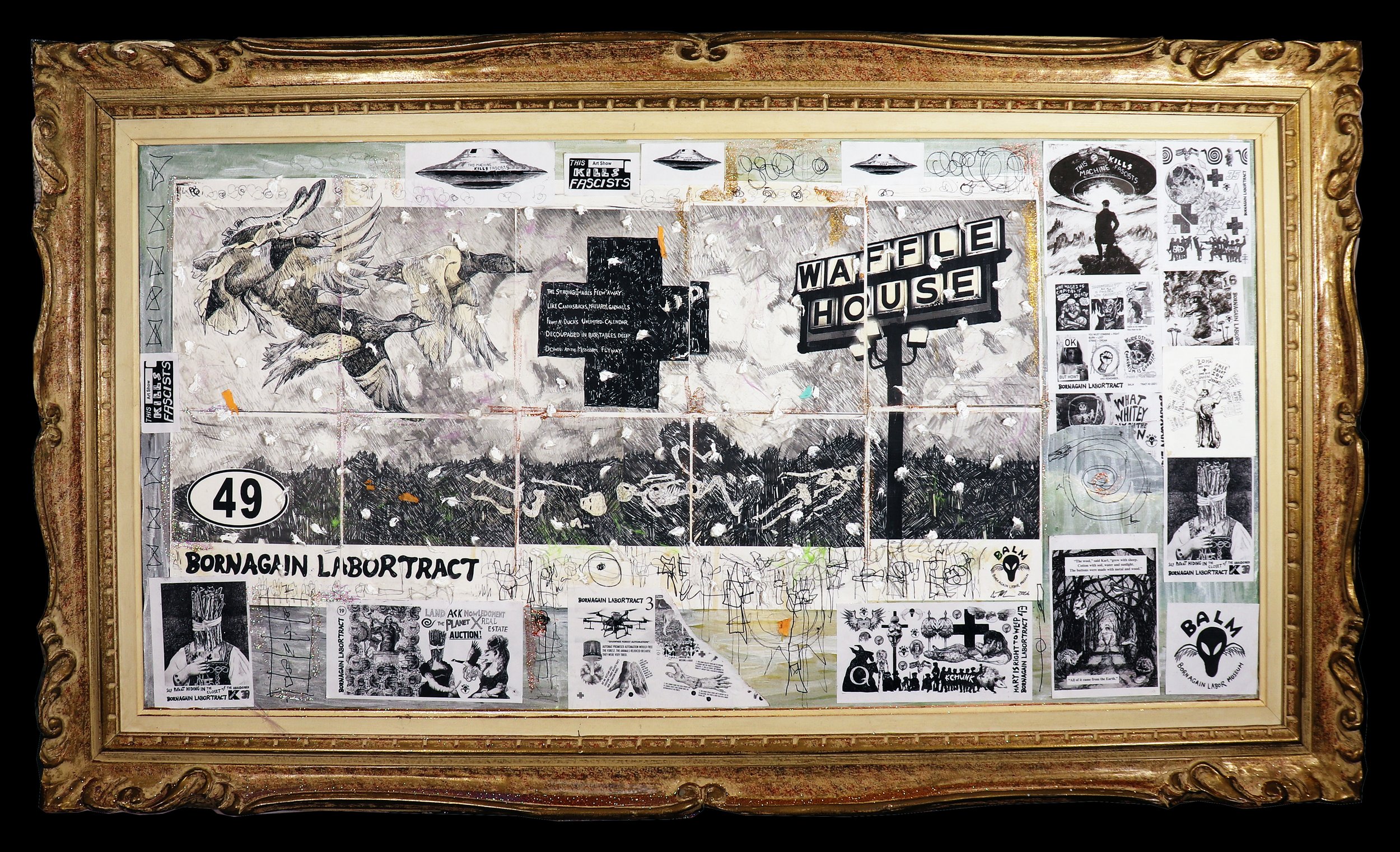
Tish Turl and Adam Turl, Born Again Labor Tract 49: The Strong Images Flew Away - mixed-media collage and painting, digital prints, marker, ink, wig hair, graphite, Post-It notes, coffee, glitter, stickers, cotton and ash on salvaged "thrift store painting" (2026)
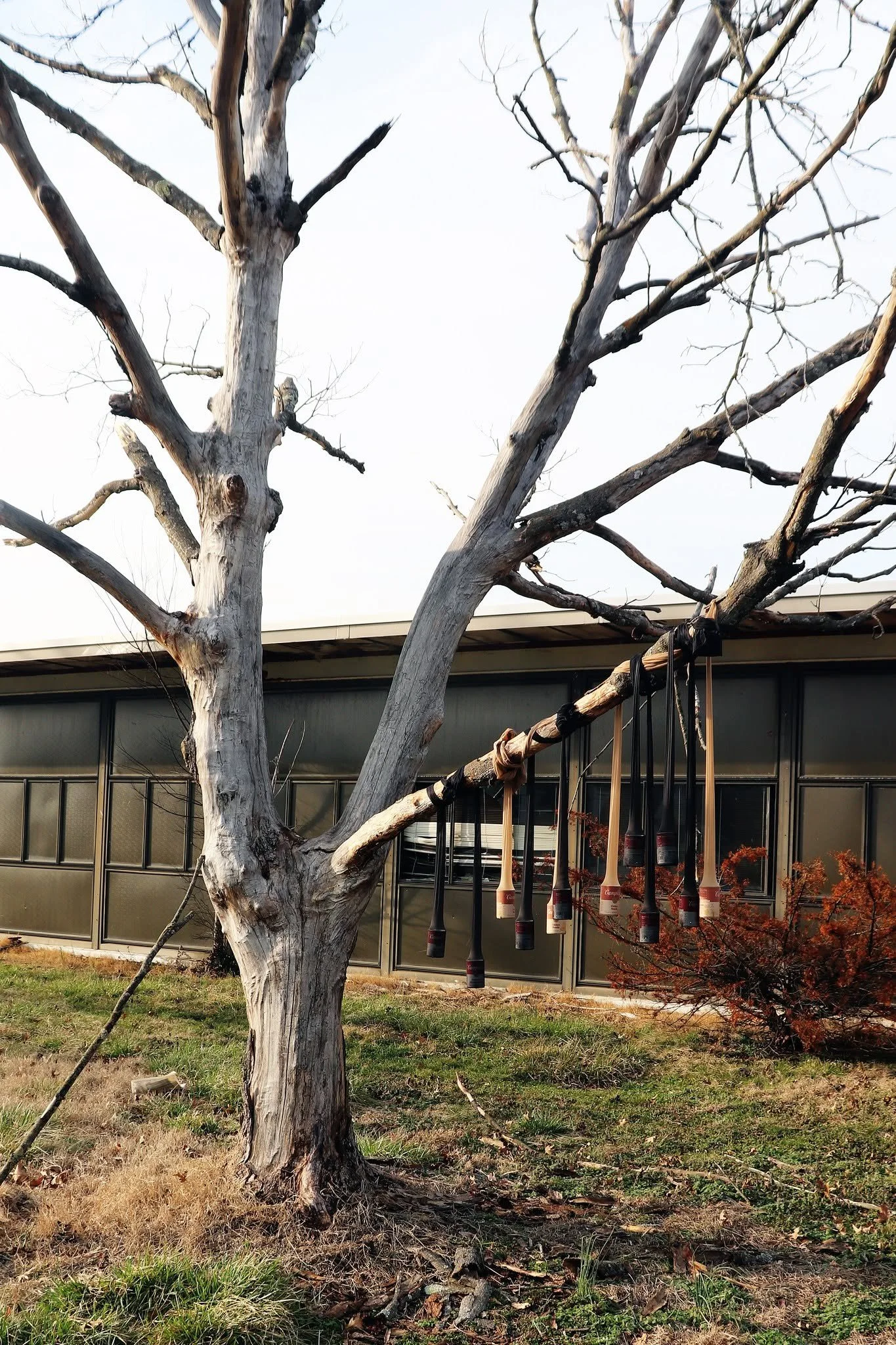
Tish Turl and Adam Turl, Soup for Your Family - Soup, pantyhose, tree, abandoned high school (2026)
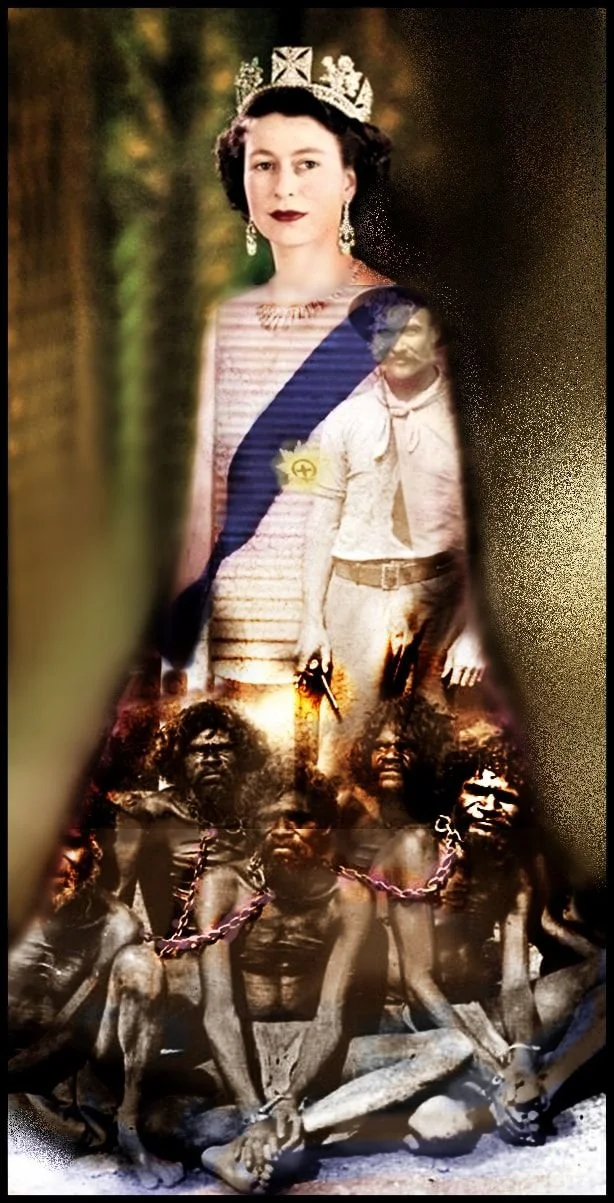
Laura Fair-Schulz, Anti-Imperial Flora and Fauna Dress, digital photo-collage (2025)
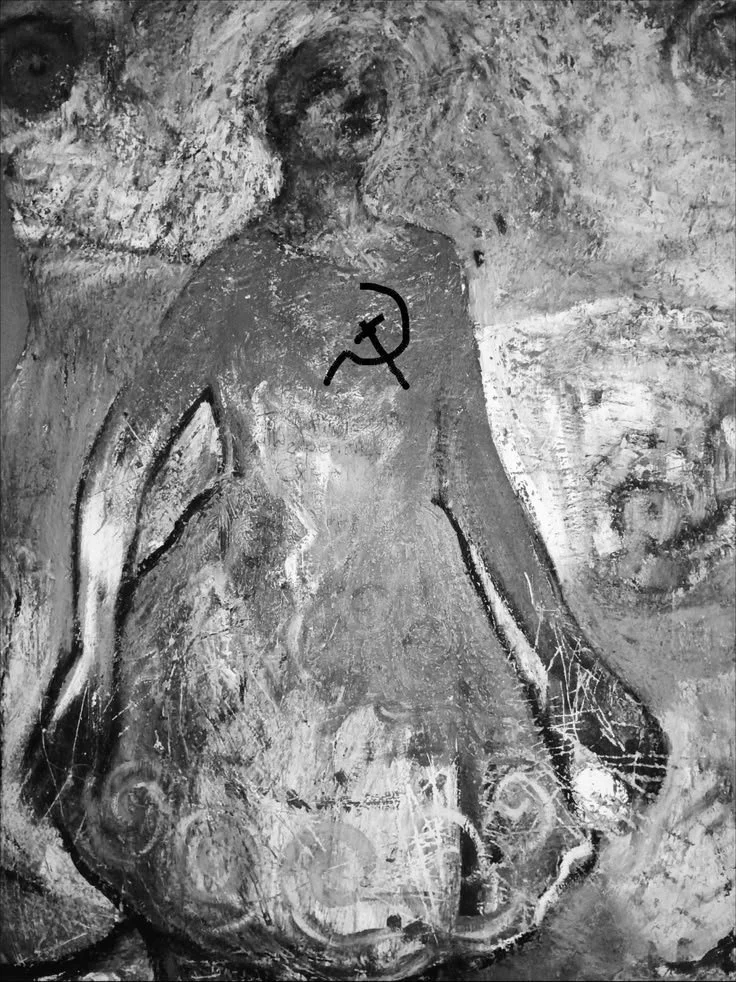
Laura Fair-Schulz, Job (Biblical Figure) - Gaslit Figure, painting and drawing (2025)
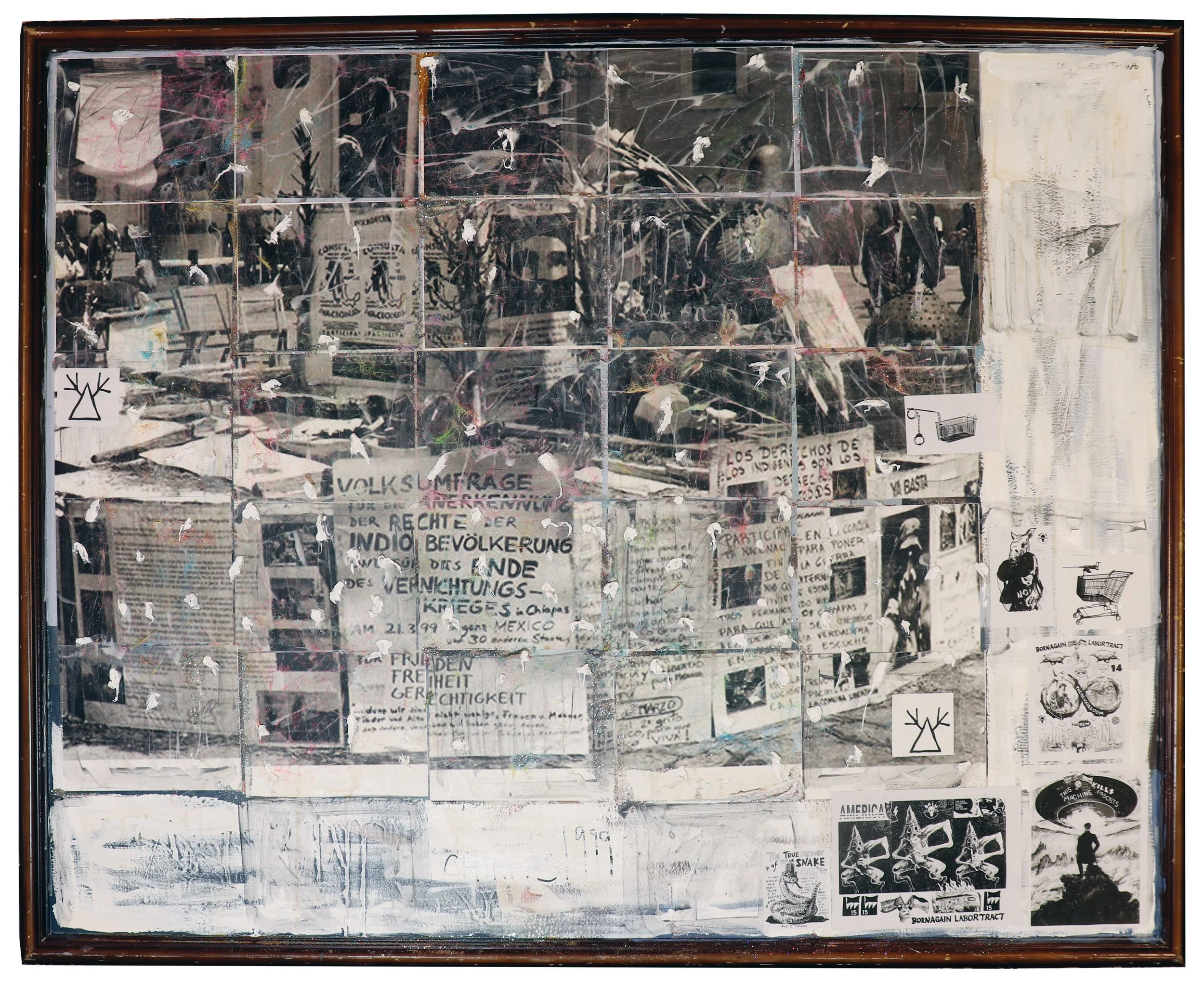
Tish Turl and Adam Turl, Chiapas 1999 - mixed-media collage and painting, digital prints, drawings, acrylic, glitter, wig-hair, graphite, ink, marker, coffee, stickers, cotton and ash on thrift store painting (2025).
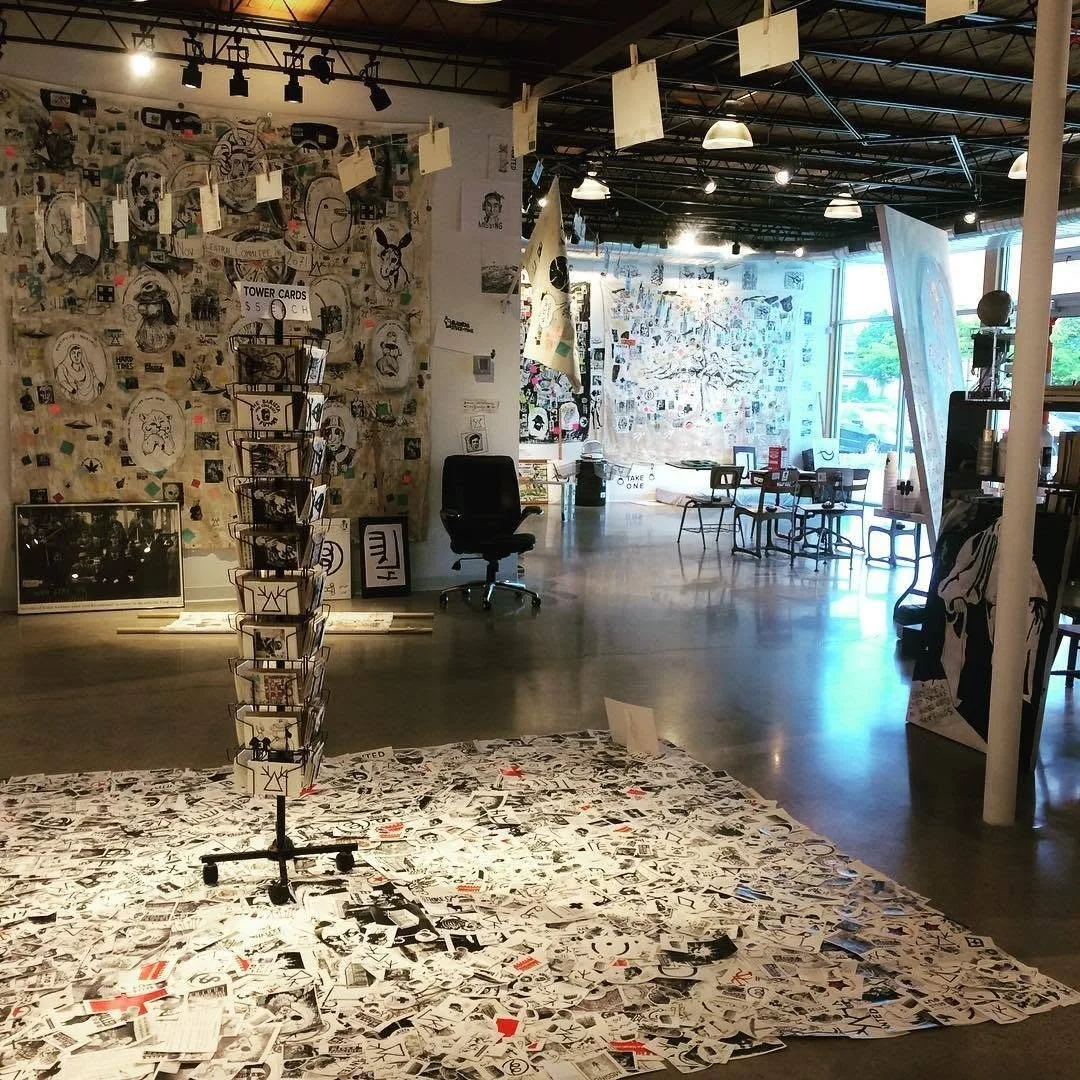
Free stickers at The Barista Who Disappeared at ArtSpace 304 in Carbondale, Illinois (2018), Revolt of the Swivel Chairs at The Cube in Las Vegas (2018), Nevada, and BALM in Carbondale, Illinois (2025).
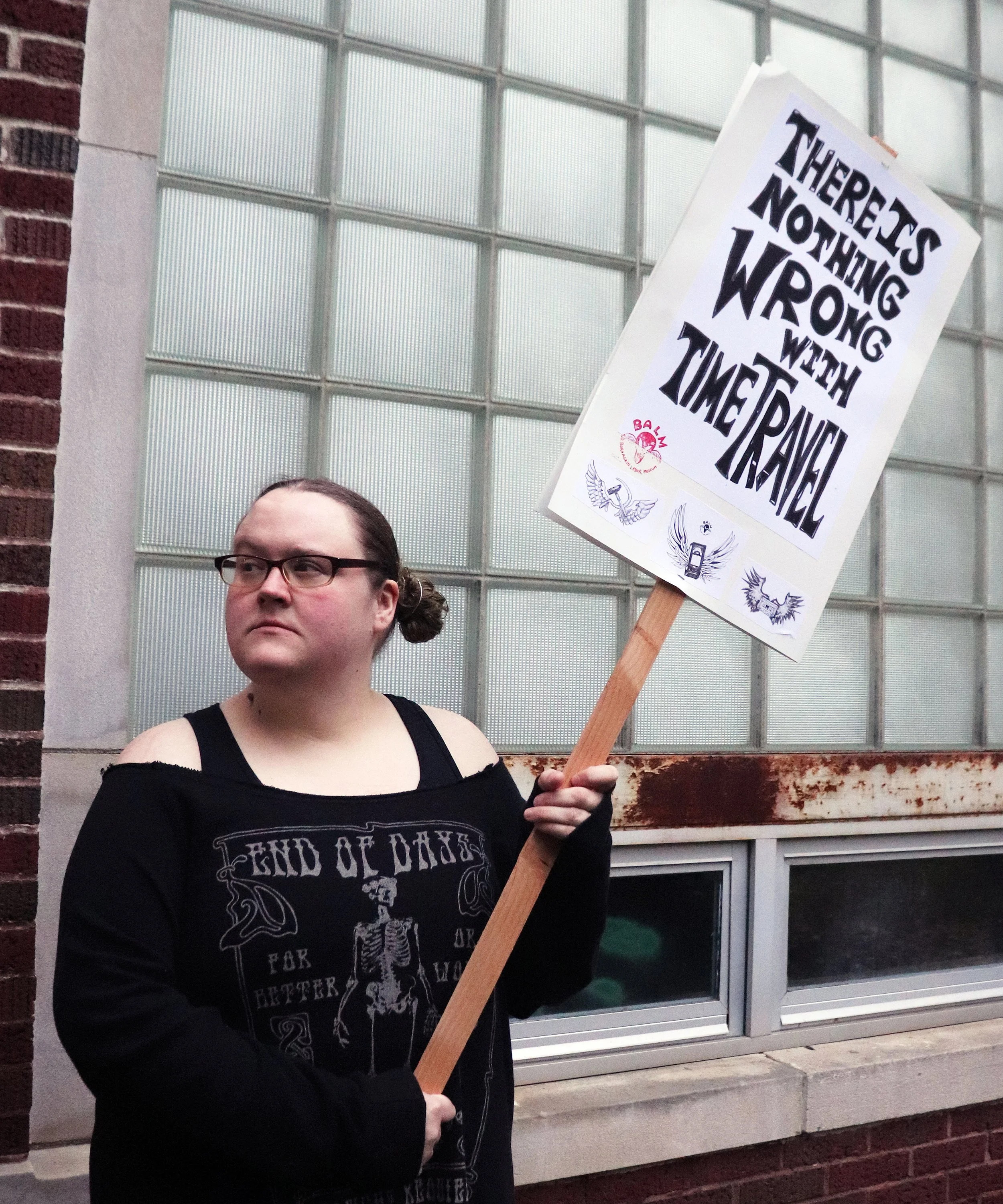
Tish Turl and Adam Turl, Common Task Agit-Prop Library - Irealist protest signs (2021-ongoing)
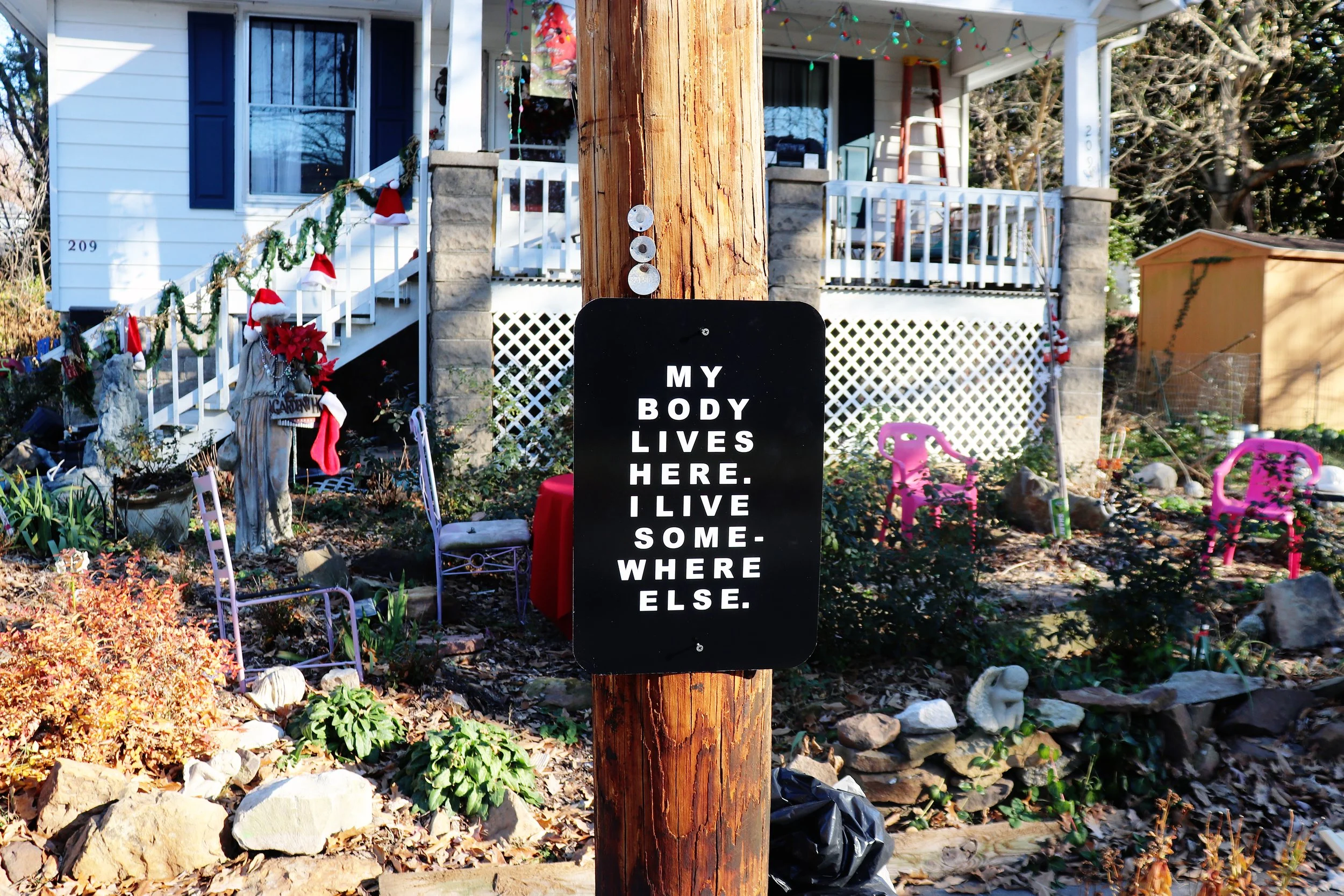
Tish Turl and Adam Turl, Big Muddy Monster Atlas Project - vinyl and aluminum irrealist historical marker/sign placed around southern Illinois (2024).
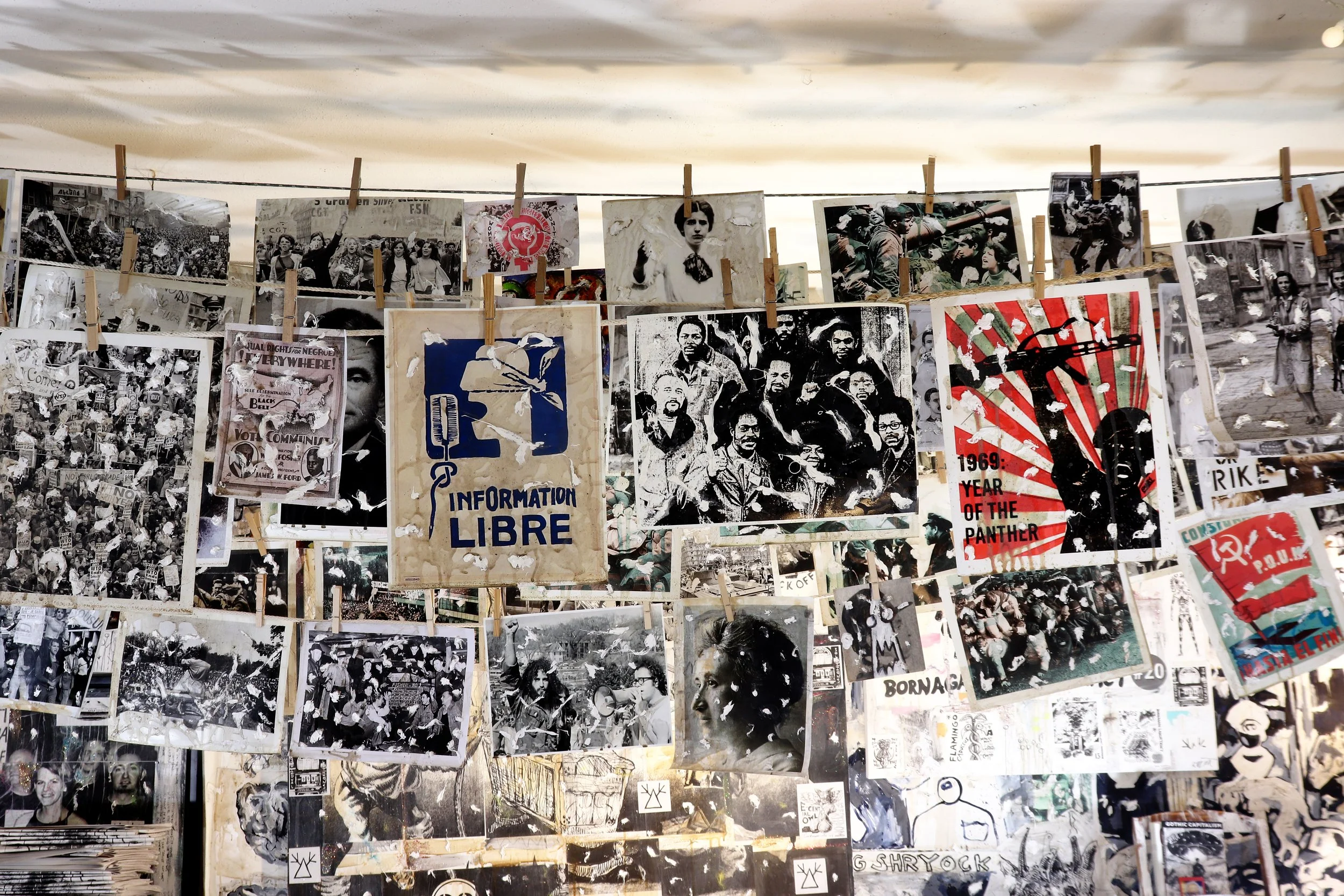
Tish Turl and Adam Turl, Social Resurrection Task Prints - digital photographic prints, coffee, acrylic, cotton and ash, clotheslines, clothespins (2021-2026)

Anupam Roy, Land Guards, acrylic and distemper on tarpaulin (2023)
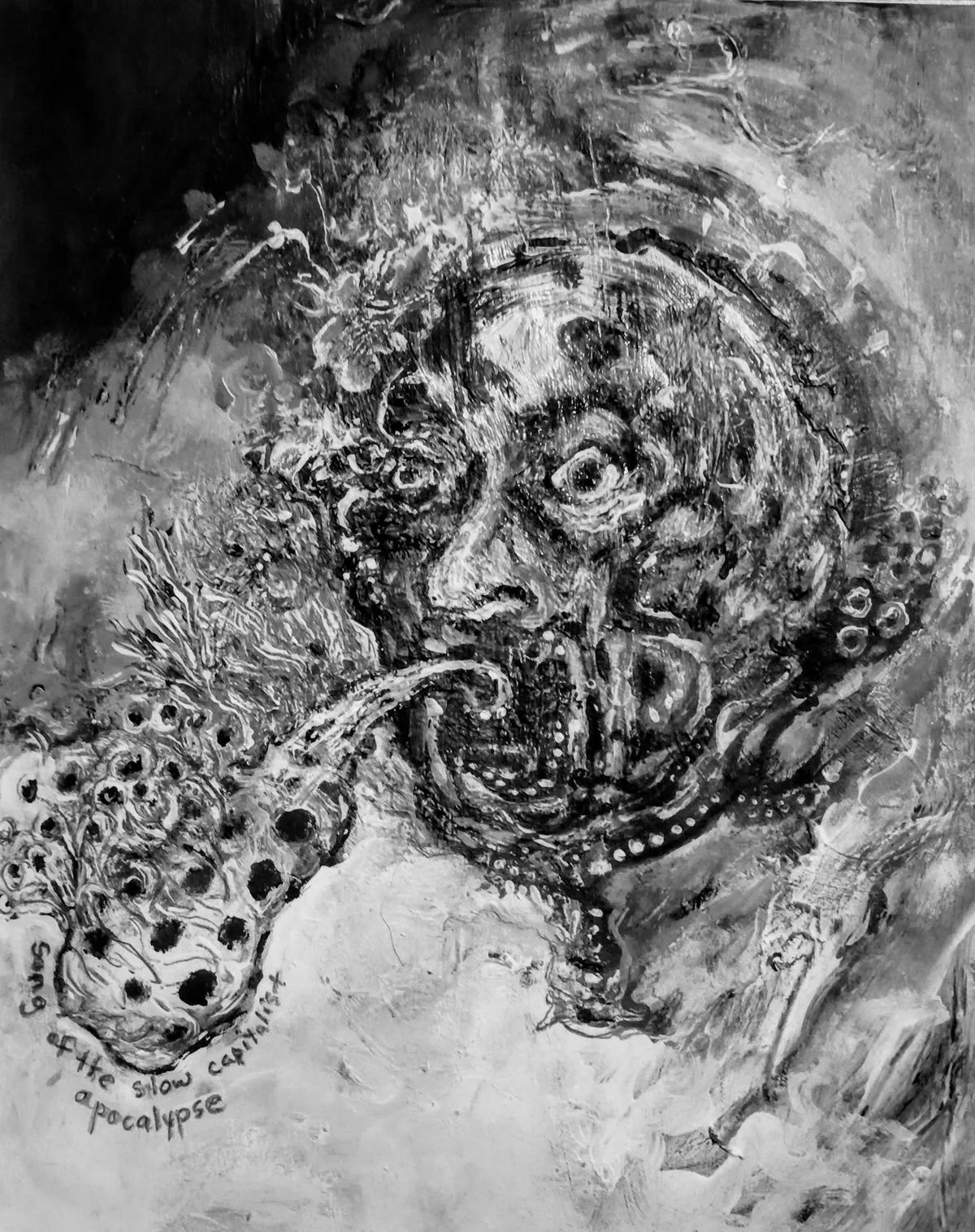
Laura Fair-Schulz, Song of the Slow Capitalist Apocalypse, drawing and painting (2022)
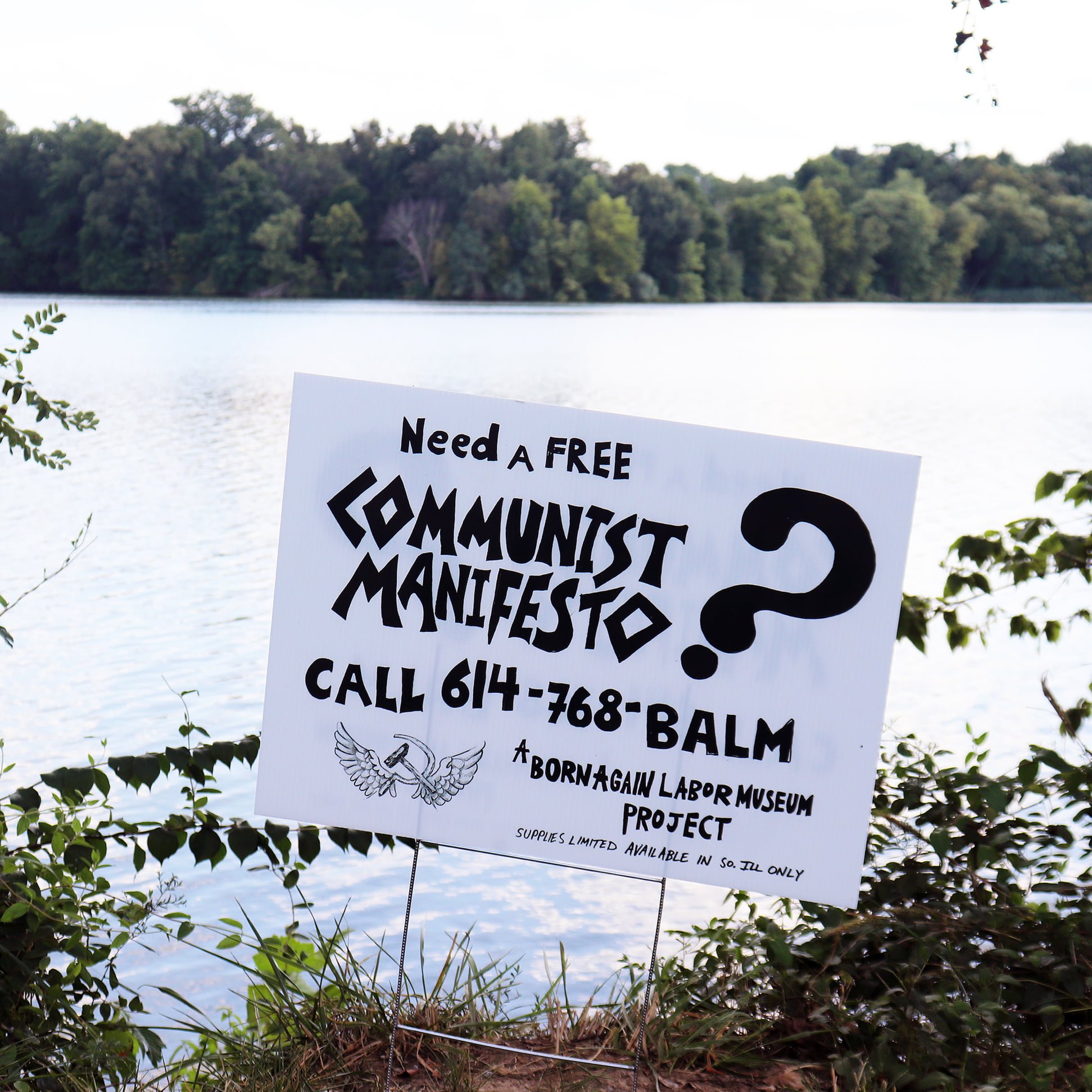
Tish Turl and Adam Turl, Communist Manifesto Distribution Project (2021-2026)
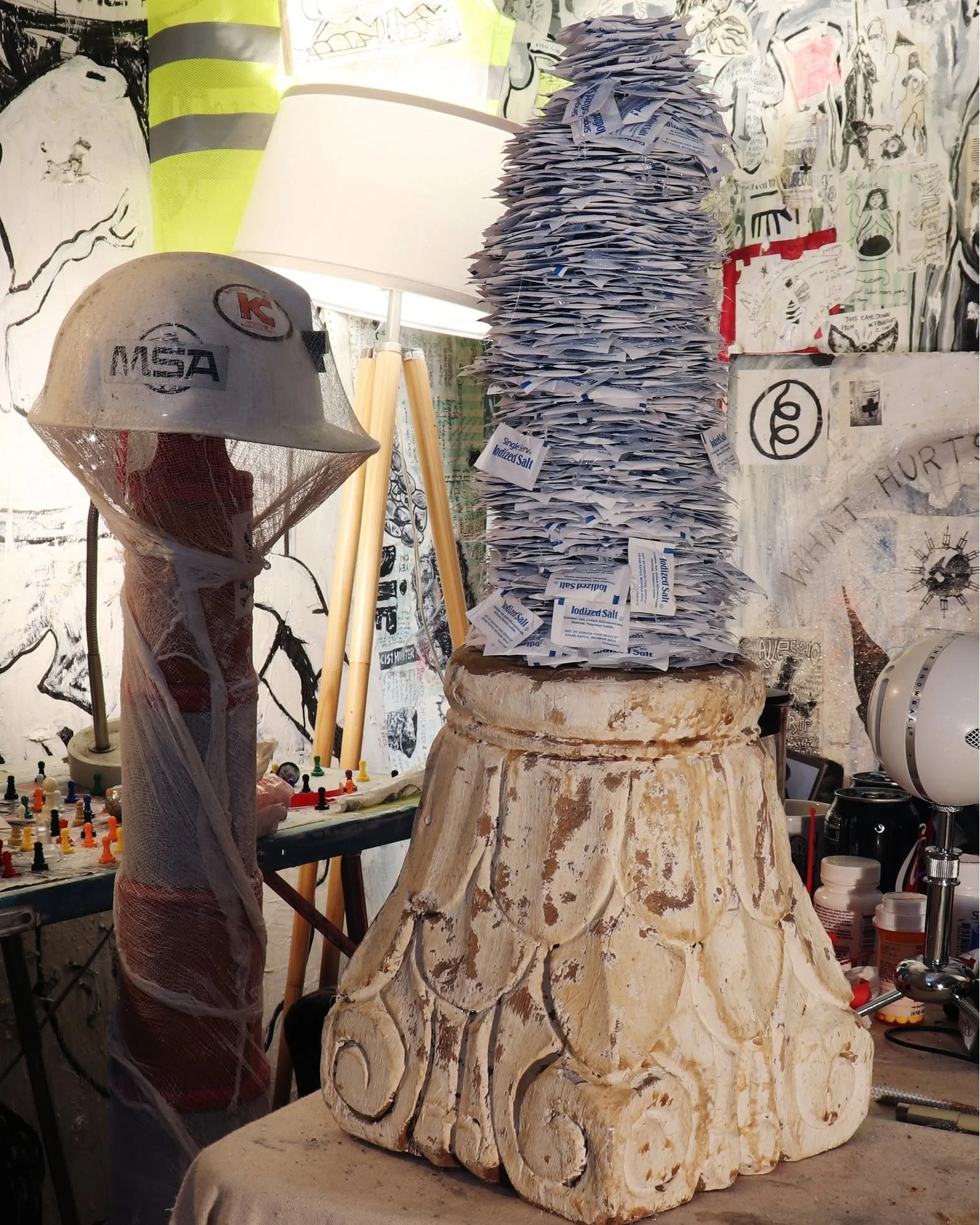
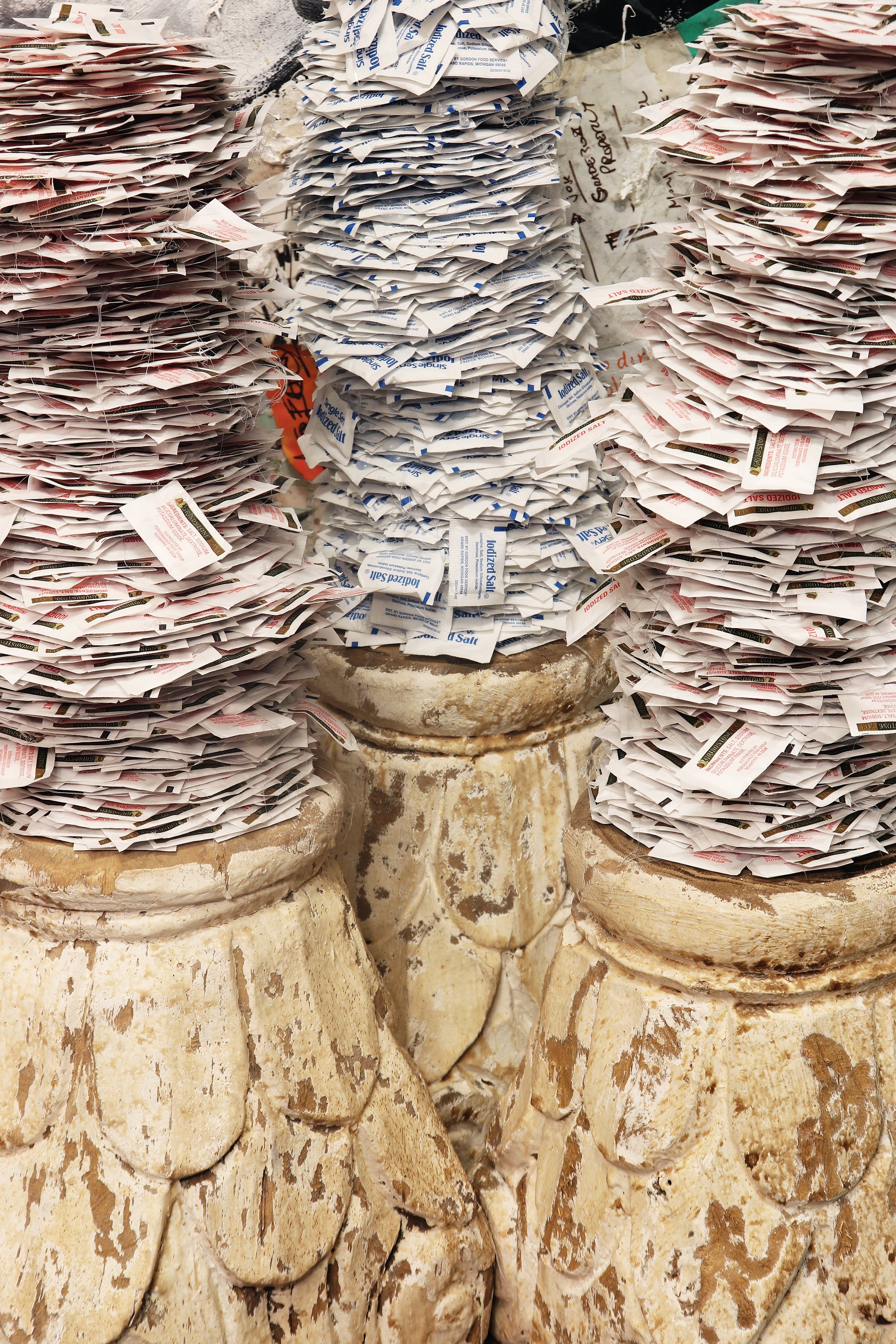
Tish Turl and Adam Turl, “Burger King Parking Lot’s Wife” - salvaged pedestal, salt packets, glue (2021)

Anupam Roy, Excuse Me I Was Sharpening My Teeth, ink and watercolor on paper (2021).

from Anupam Roy: West Bengal Wall Writing. Murals produced during the state election campaign for the CPIML-L by artists, comrades, and residents (2021)

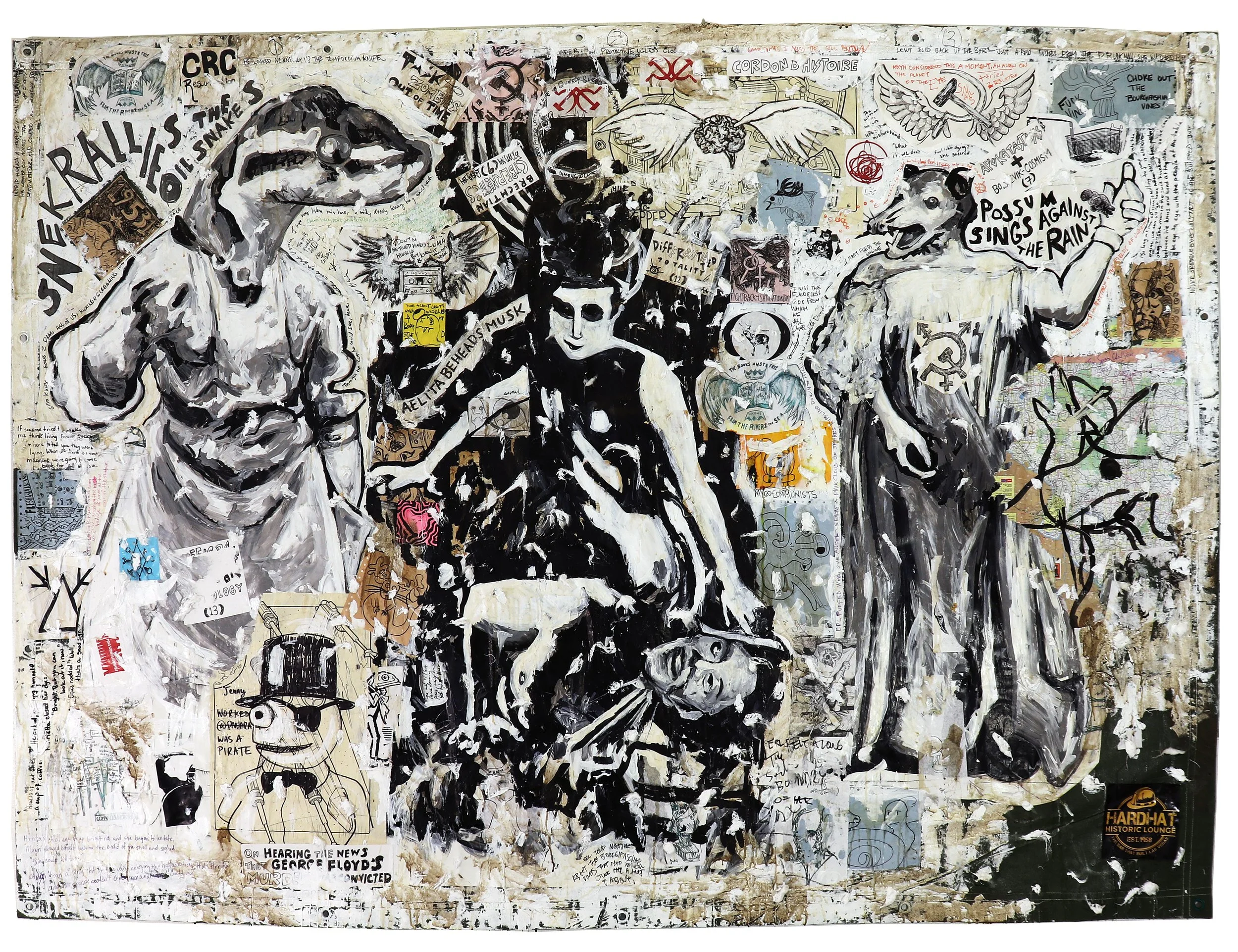
Snek Rallies the Oil Snakes, while Aelita Beheads Elon Musk, and Possum Sings Against the Rain - Mixed-media painting and collage on canvas tarp with cotton and ash (2021).
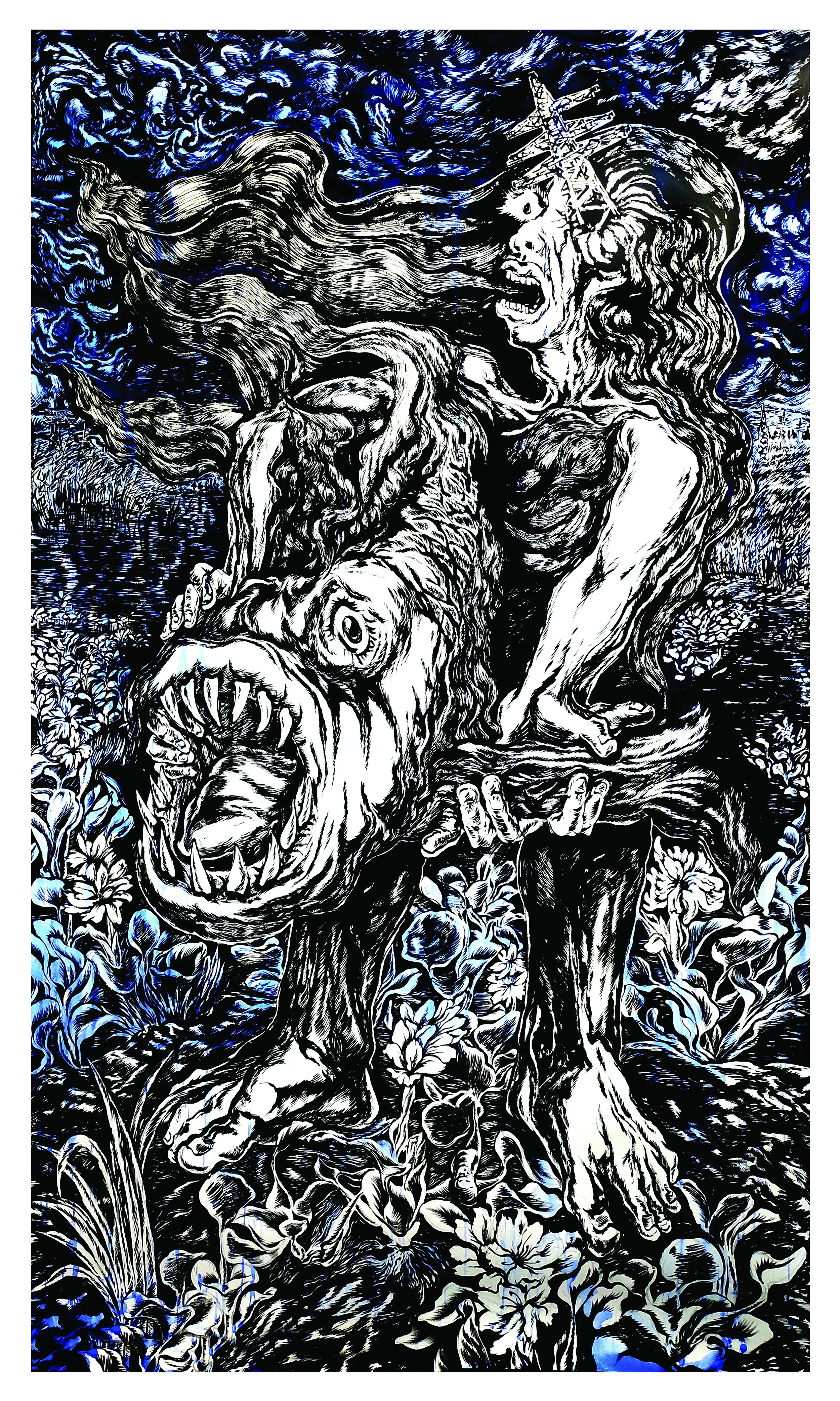
Anupam Roy, Agitation - Black Pigment with Distemper and Water Colour on Paper, 96” x 60” (2021)

Tish Turl and Adam Turl, Born Again Labor Tract #1 - Mixed-media prints. painting, collage on wood with cotton and ash (2019).
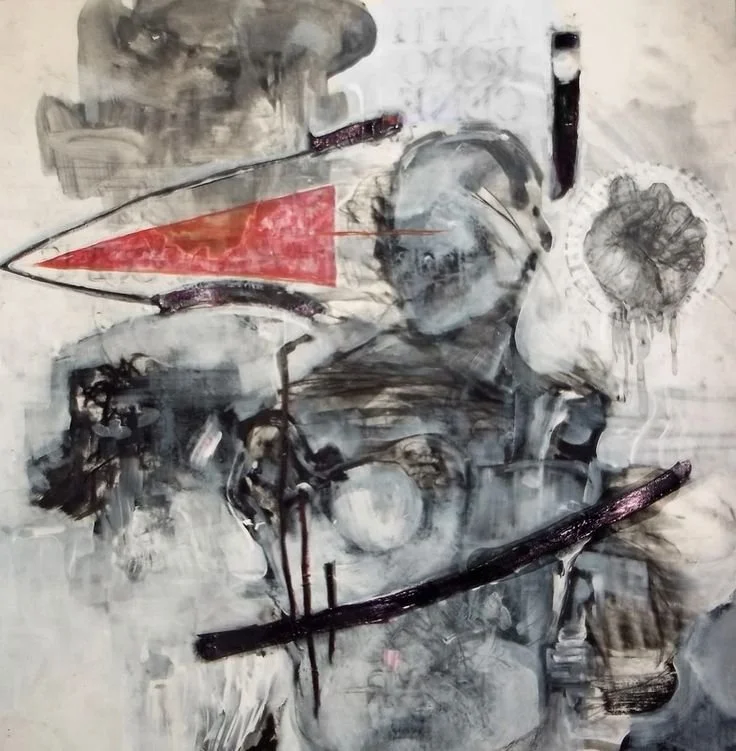
Laura Fair-Schulz, Red Wedge, painting and drawing (2017)
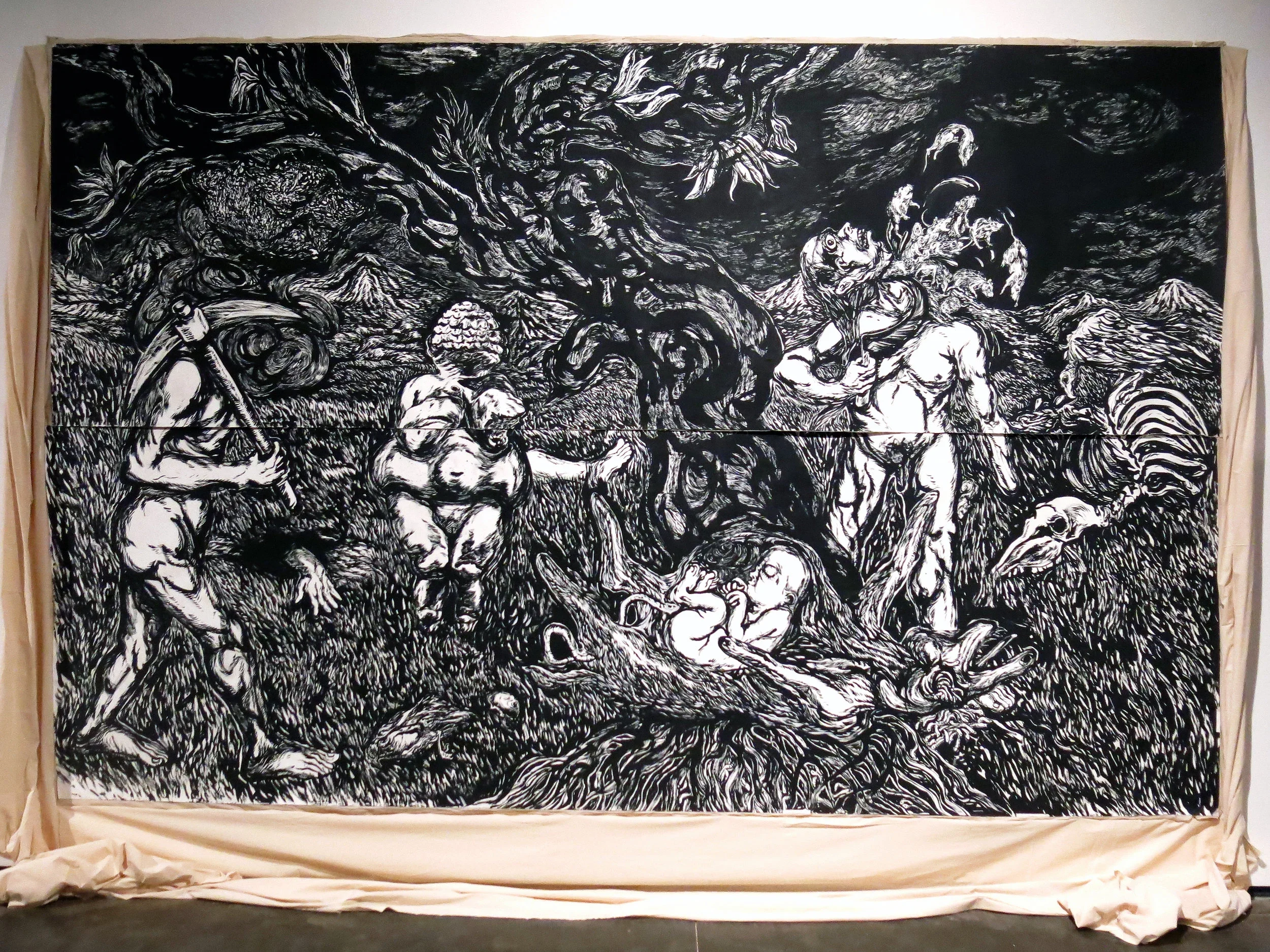
From Resistance Land; Black pigment and distemper on paper (350gsm, acid free, hot-press) pasted on cotton cloth; 10ft x 16ft (approximate, paper size); 2018.