
The default cultural logic of neoliberalism and the political center is capitalist realism. In response the cultural logic of working-class emancipation (socialism) is critical irrealism. The ir – or no – of critical irealism is opposed to a particular kind of realism. Therefore, we should examine it more closely.
The following essay was written in February of 2020, for the website of left-wing arts and culture publication Red Wedge magazine, not long before its activity ceased and former editors moved on to other projects, including Locust Review. We post it here in an effort to give readers a sense of LR’s roots, the artistic and political questions that we have sought to answer, and the bearing they have on those being taken up by the Locust project. In the coming weeks, we will also be publishing a selection of Red Wedge’s best material.
Ignoring the content of these artworks has reactionary implications that Dunst has probably not considered; or has considered but ignored in an attempt to gaslight his readers. In the way he has written this article, the horror of the Holocaust, the repression of our Iranian comrades, homophobia, are all dismissed as an “obsession with personal identity.” One has to wonder if the problem with these texts and images, for Dunst, isn’t that they are memoirs, but that they are the stories of people who are gay or queer, aren’t white, or whose whiteness is contingent.
Academically-trained working-class artists who pretend their hard earned knowledge, their BFAs and MFAs, make them immune from this dynamic, are fooling themselves. It is understandable. We do not want to think of ourselves as art world dark-matter, permanent adjuncts, and stalking horses for gentrification. But this is what the art world is making of us, and what we must break from as workers, as artists, and as socialists.
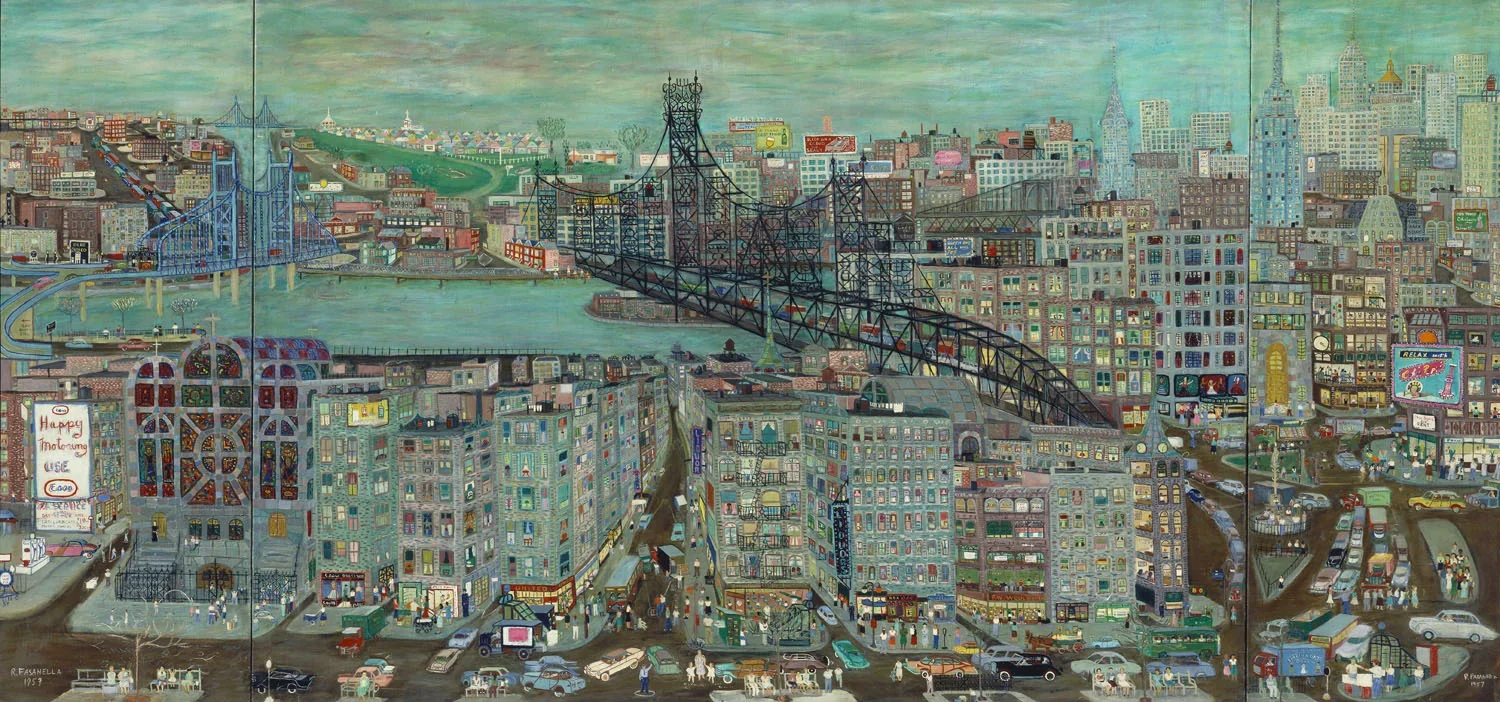
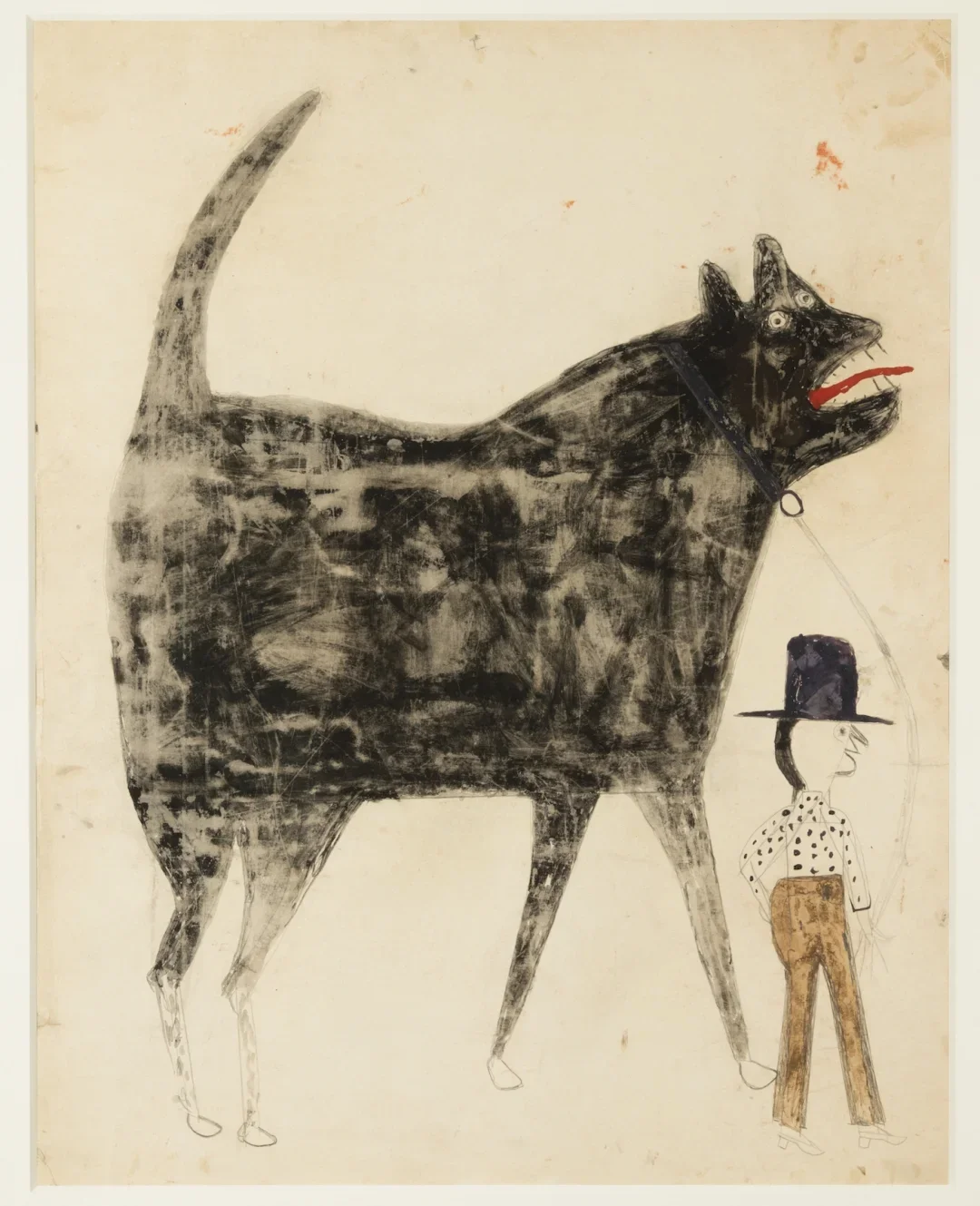
The concept of outsider art, or self-taught art, is a lie. It conceals the actual artistic arguments and content articulated by the artists who are described in this way. While the history of the concept is more complicated, its present usage is bound up with a racial, class and geographic othering, which centers the bourgeois and petit-bourgeois institutional art world (located in New York City first and foremost) as the norm (when it is itself the outlier).
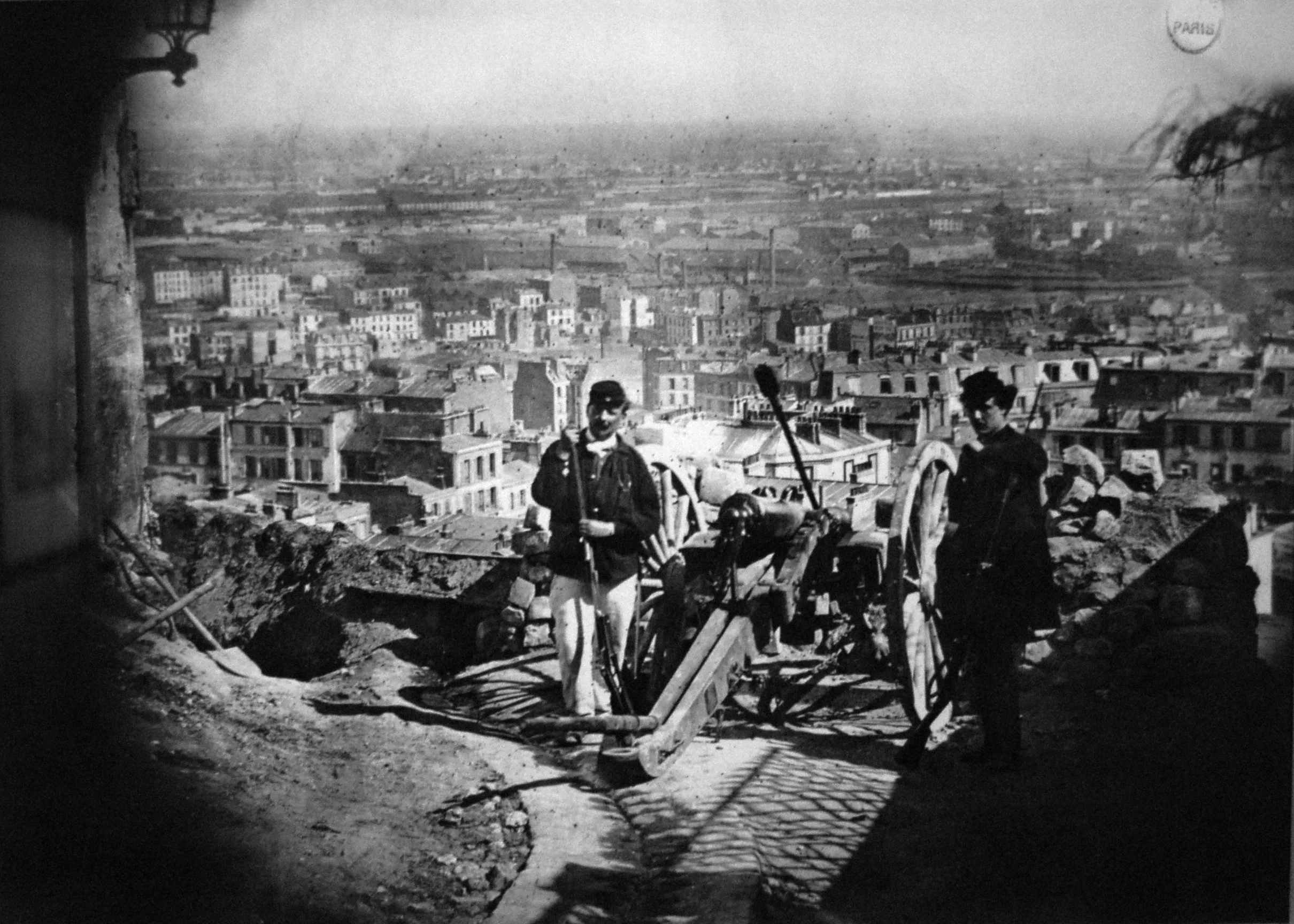
The formation of art enclaves in industrial capitalism, during a century of accelerating aesthetic and conceptual innovation (1850-1950) had a progressive logic. Artists’ innovations fed off their physical proximity to each other. Moreover, these aesthetic and conceptual interventions were often in political sympathy to the industrial working-class concentrated in cities like London, New York, Paris and Berlin. Artists found a radical, and oftentimes working-class, cosmopolitanism in these artistic enclaves. Gentrification had not yet evolved to exploit artists as it does today.

There is one form of the Romantic culture that does not advocate the return to the past, but a detour by the past, towards an emancipated future. This we call revolutionary Romanticism, which begins with Rousseau, followed by Blake, Shelley, William Morris and many others.